Emergency Home Lockouts in San Diego
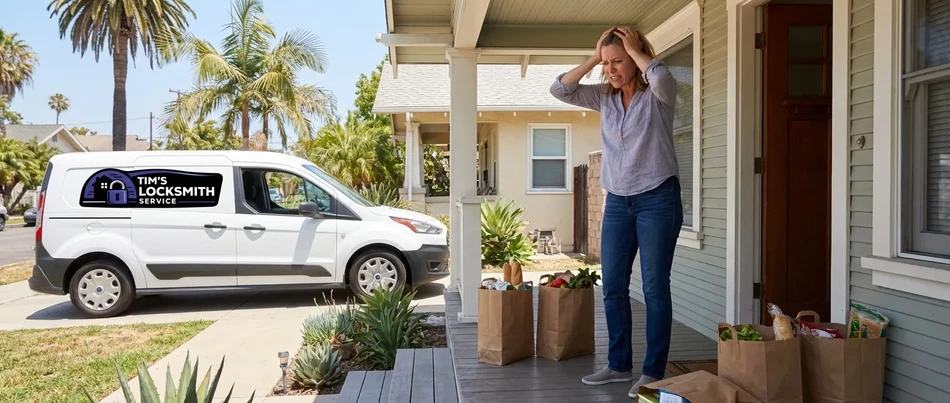
Locked out of your house at 7 PM with groceries in the car? Key snapped off in the deadbolt? We reopen San Diego homes fast. Smart lock decided today's the day the batteries die? It happens more than you'd think, and it always happens at the worst possible time.
 Call (619) 768-2745
 Text for Quote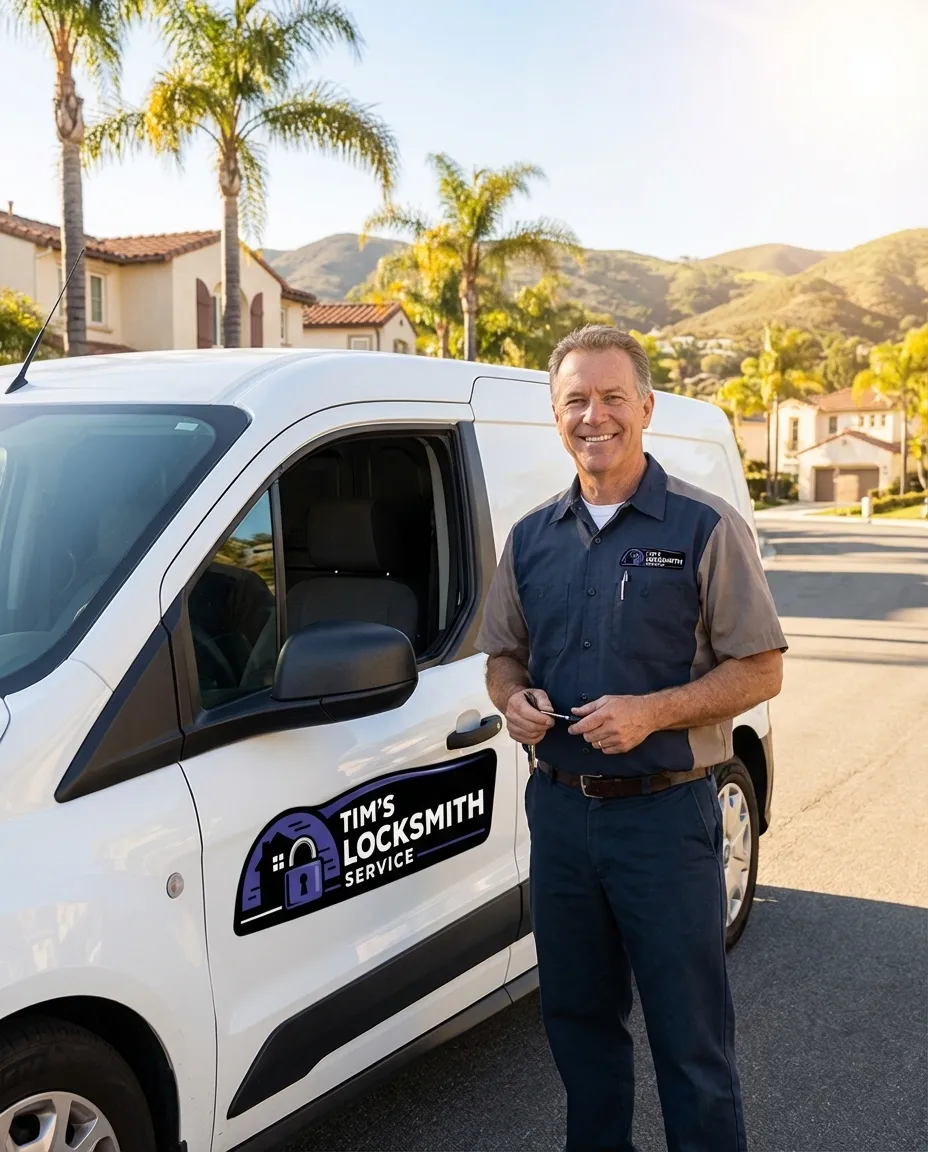
Fast Emergency Home Lockout Service
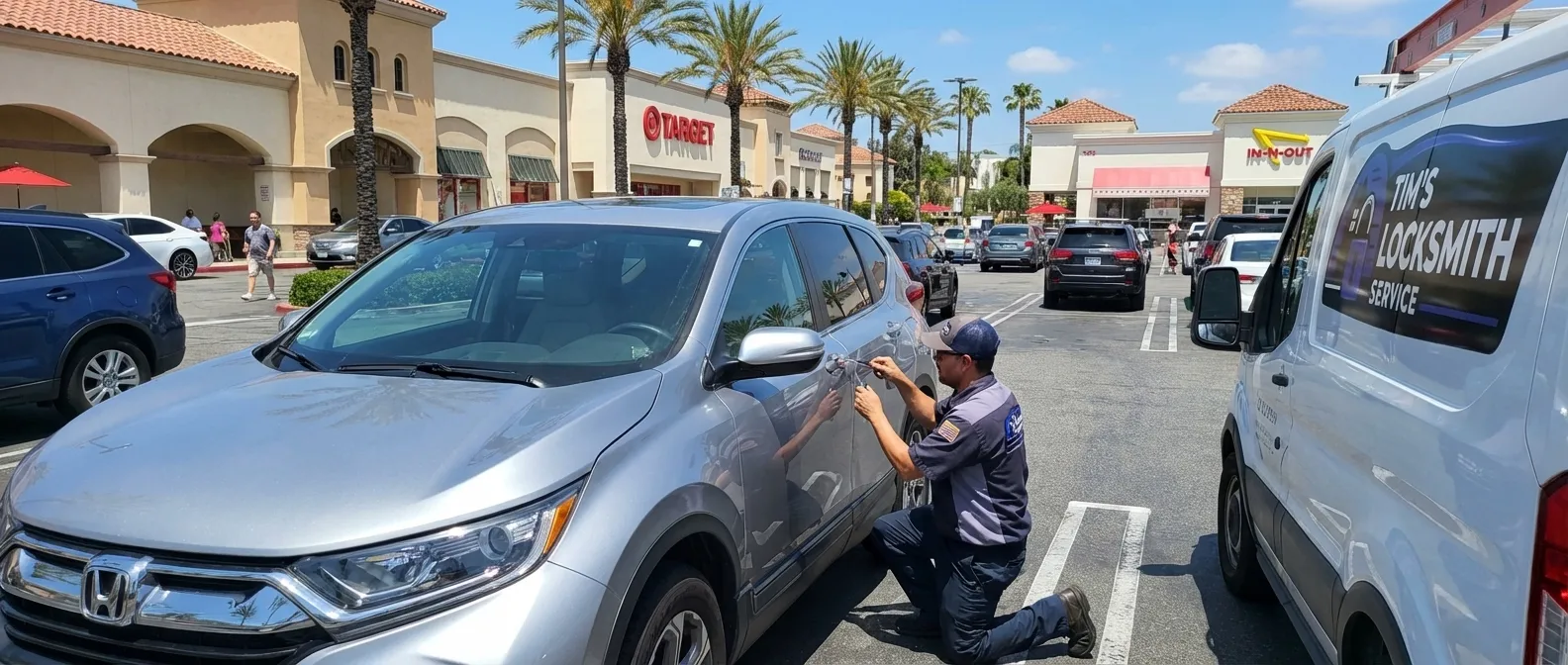
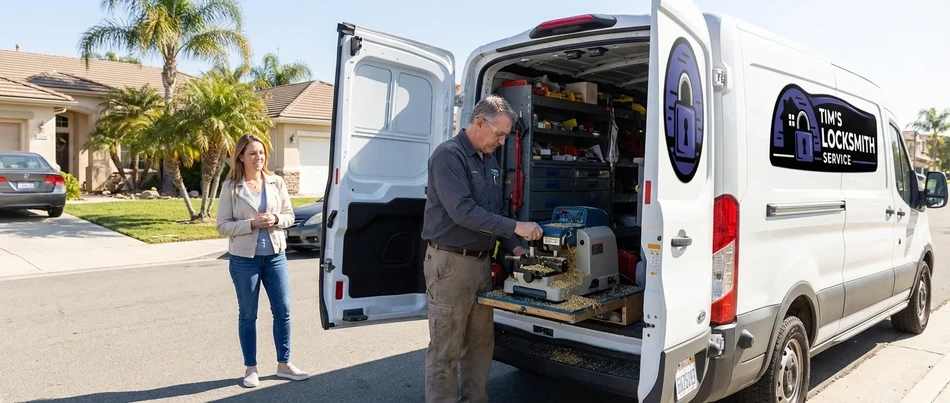
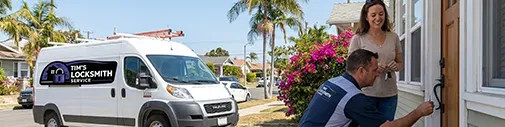
Tim's Locksmith Service handles residential lockouts across San Diego every day. The mobile van carries picks, bypass tools, and spare hardware to get you through just about any door without damaging it. Most calls, you're back inside within 30 to 45 minutes. No drama, no damage, no surprise charges.
What's Included
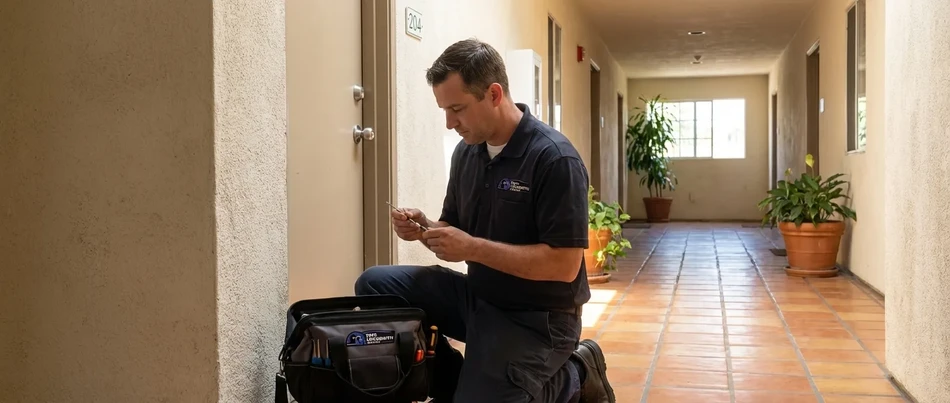
Every emergency home lockouts visit in San Diego covers non-destructive entry on all standard residential locks, lockout service for houses, and deadbolt; the full checklist is below.
 Non-destructive entry on all standard residential locks
- Lockout service for houses, apartments, condos, and townhomes
- Deadbolt, knob lock, smart lock, and sliding door lockouts
- Spare key cutting on the spot after entry
- Lock inspection and repair if the lock caused the lockout
- Upfront pricing before any work begins
How It Works
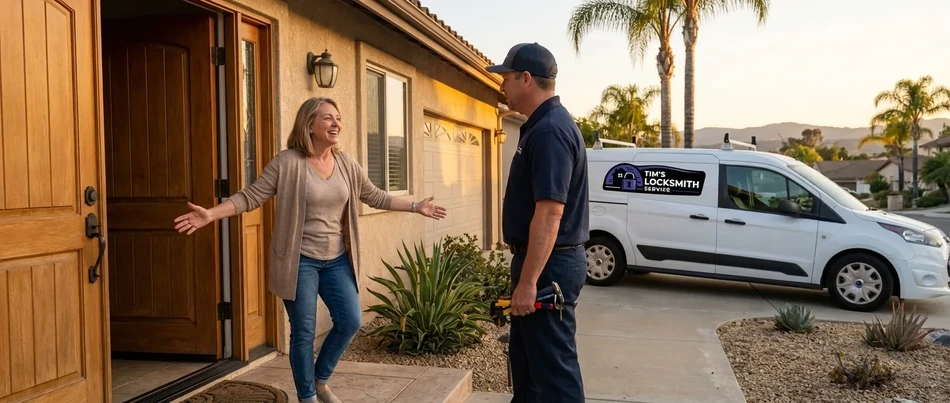
Getting emergency home lockouts done in San Diego takes five steps: call or text us, we come to you, verify your identity, we get you in, and key cutting and prevention.
Call or Text Us
Reach out at (619) 768-2745 by phone or text. Tell us where you are, what kind of door and lock you are dealing with, and we will give you a price and an ETA right away.
We Come to You
Our mobile van heads to your location anywhere in San Diego. We carry everything needed to handle any residential lock, so there is no waiting on parts or second trips.
Verify Your Identity
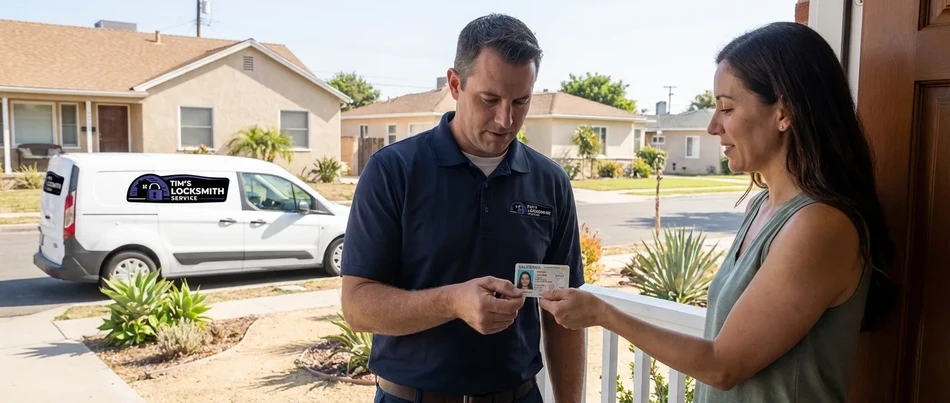
We confirm you are the resident or authorized occupant before opening the door. This protects you and your property. A photo ID matching the address or a utility bill is all we need.
We Get You In
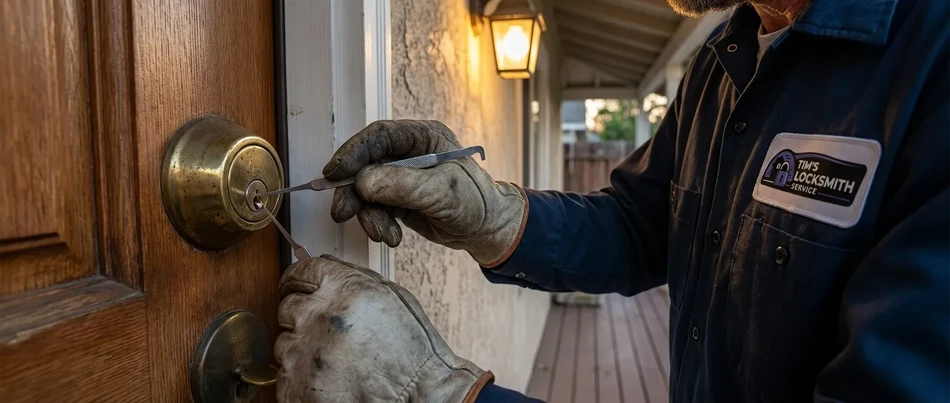
Using professional lock picking, bypass tools, or other non-destructive methods, we open your door without damaging the lock, door, or frame. Most entries are completed quickly once we are on-site.
Key Cutting and Prevention
After you are back inside, we can cut spare keys on the spot, check your lock for issues that caused the lockout, and recommend prevention options like a keypad deadbolt or a spare key strategy.
Why Lockouts Happen
 Forgotten Keys
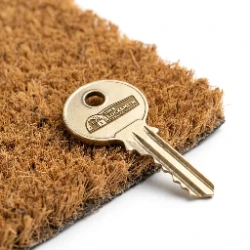
The most common cause by far. You step outside to grab the mail, take out the trash, or walk the dog, and the door closes behind you. Spring-loaded knob locks are the biggest offenders because they lock automatically when the door shuts. If your front door has a knob lock without a deadbolt, this will keep happening until you change the hardware or your habits.
 The 30-Second Lockout
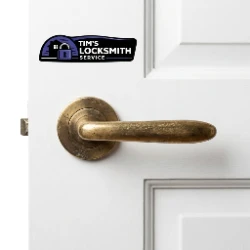
You run out to your car to grab something, leave the door cracked, and the wind or a pet pushes it shut. This happens constantly in San Diego coastal areas where afternoon winds pick up. The door closes, the lock engages, and you are standing in your driveway without keys, phone, or shoes.
 Broken Keys
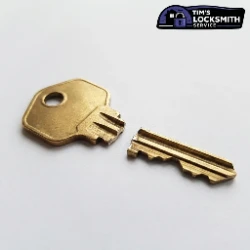
Keys wear down over time, especially copies of copies. The cuts lose their precision and the key gets thinner at stress points. One day it snaps off in the lock. Now you have half a key in your hand and the other half jammed in the cylinder. Do not try to extract it with pliers or tweezers. You will push it deeper and make the job harder.
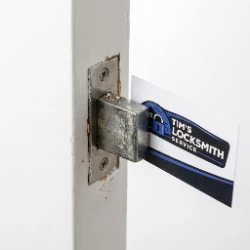
 Stuck Deadbolts
A deadbolt that has been getting harder to turn for months finally seizes completely. The bolt is extended, the door is locked, and no amount of force on the key will retract it. This is almost always caused by a misaligned strike plate, a shifted door frame, or worn internal components. It is fixable, but it is not a DIY job once the bolt is stuck in the locked position.
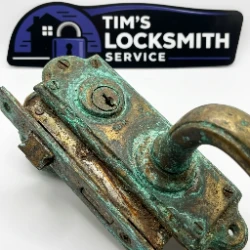
 Corroded Coastal Locks
If you live within a few miles of the coast in San Diego, salt air is slowly eating your locks. Cylinders get gritty, pins corrode, and springs weaken. One day the key goes in but nothing turns. Coastal lock corrosion is gradual until it is not. Regular lubrication with dry graphite (not WD-40) extends lock life, but eventually the cylinder needs replacement.
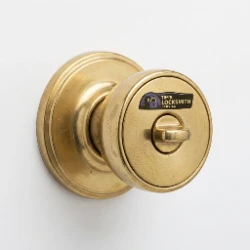
 Kids Locking You Out
Toddlers love pushing buttons and turning knobs. A child inside the house locks the door while you are on the porch, in the yard, or checking the mailbox. If the child is too young to understand how to unlock the door, this becomes an urgent situation. We prioritize calls involving children locked inside.
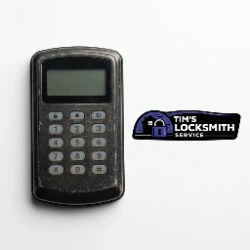
 Smart Lock Failures
Batteries die, firmware glitches, Wi-Fi drops, or the app refuses to connect. Smart locks are convenient until they are not. If your smart lock fails and you do not have a backup physical key (or left it inside), you are locked out just like anyone else. Some smart locks have hidden keyways for emergency access. Others do not. We handle both scenarios.
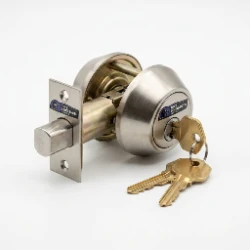
 Lock Changes Without Key Updates
A landlord rekeys the locks but forgets to give you the new key. A roommate changes the deadbolt and leaves town. Someone installs a new lock on the garage entry door and the old key no longer works. Miscommunication about lock changes is a surprisingly common lockout cause, especially in rental properties and shared living situations.
Types of Emergency Home Lockouts
Work on emergency home lockouts in San Diego usually falls into a few categories, including front door lockout, apartment and condo lockout, and smart lock lockout.
-
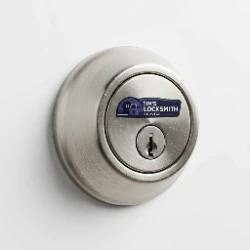
 Front Door Lockout
The most common residential lockout. Front doors typically have a deadbolt and a knob lock or lever. We pick or bypass the knob lock first, then address the deadbolt. Most front door lockouts are resolved in under 10 minutes with pick tools. If the deadbolt is high-security (Medeco, Mul-T-Lock), it may take longer, but non-destructive entry is still the goal.
-
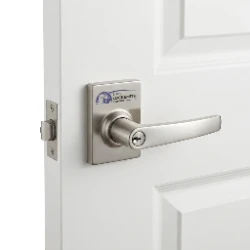
 Apartment and Condo Lockout
Apartments and condos often have commercial-grade hardware, restricted keyways, or electronic access systems. We handle them all. If your building has a main entrance with a fob or buzzer, we work with building management when needed. For the unit door itself, we use the same non-destructive techniques as any residential lockout.
-
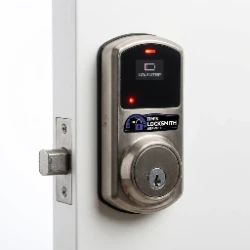
 Smart Lock Lockout
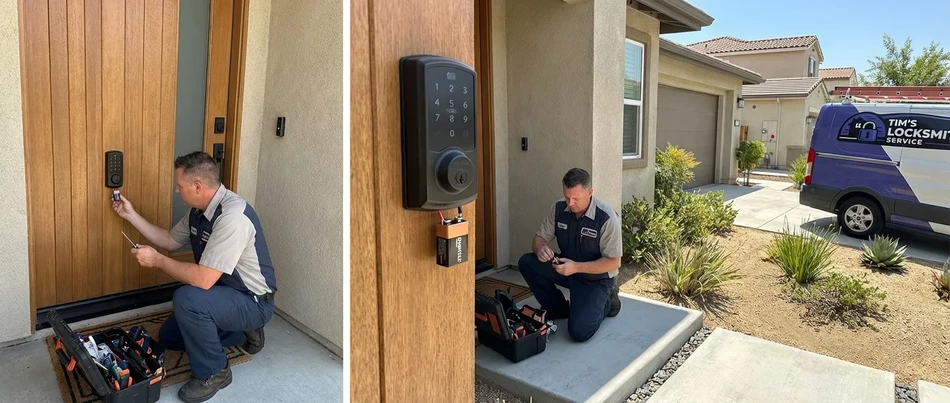
Smart locks fail for various reasons: dead batteries, firmware bugs, network issues, or forgotten codes. If the lock has a hidden physical keyway, we can pick it. If it does not, we use other bypass methods specific to the lock brand. After entry, we can replace the batteries, reset the lock, or help you set up a backup physical key so this does not happen again.
-
 Stuck or Corroded Deadbolt Lockout
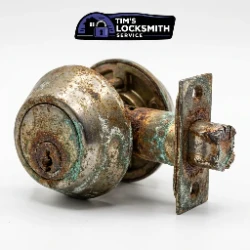
When the deadbolt is extended and will not retract, picking alone may not solve it. The bolt itself may be jammed against a misaligned strike plate or corroded in the locked position. We use a combination of picking, shimming, and careful force application to retract the bolt without damaging the door or frame. After entry, we repair or replace the deadbolt so it does not happen again.
-
 Garage Entry Door Lockout
The door between your garage and your house is often the weakest link in home security and the one people forget about most. If you are locked out through the garage, we can open the interior door. If the garage door itself is the problem (manual lock engaged, opener failed), we can address that too. Many garage entry doors have basic knob locks with no deadbolt, making them quick to open.
-
 Bedroom and Interior Door Lockout
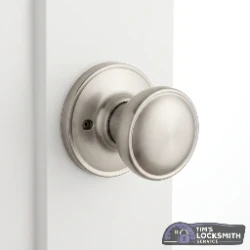
Interior door locks (bedroom, bathroom, home office) are usually simple privacy locks with a small hole on the outside for emergency release. If the emergency release does not work or the lock is jammed, we open it without damage. Interior lockouts involving children or vulnerable individuals are treated as priority calls.
-
 Sliding Door Lockout
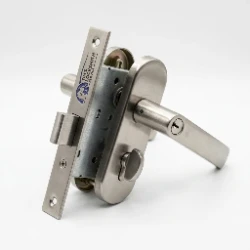
Sliding glass doors use mortise locks, loop locks, or security bars. If the lock is engaged and you cannot get in through another entrance, we can address the sliding door lock. These require different tools and techniques than standard door locks. We also check the track and roller assembly, because a sliding door that is hard to move is more likely to be locked by someone who then exits through another door and forgets.
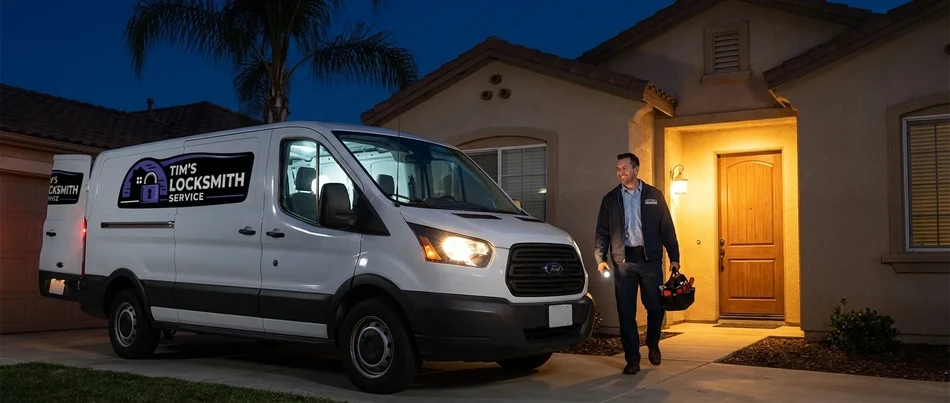
How We Get You In
Every lockout is different. The method we use depends on the lock type, the door construction, and the situation. Here is what we carry in the van and how each approach works.
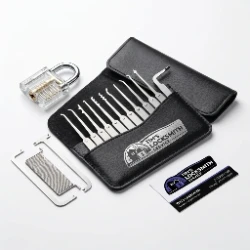
Lock Picking
The most common method for standard pin tumbler locks. We use professional pick sets to manipulate the pins inside the cylinder and turn the lock without a key. Kwikset locks with standard keyways typically pick in under two minutes. Schlage B60 deadbolts with spool pins take longer but still open without damage. Lock picking leaves the lock fully functional afterward, no parts replaced, no damage to the door.
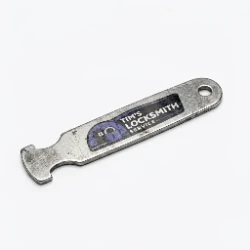
 Bypass Tools
Some locks can be bypassed without picking the cylinder at all. Spring-loaded knob locks can often be opened with a bypass tool that retracts the latch directly. Certain deadbolts with known vulnerabilities have specific bypass techniques. Bypass is faster than picking and is our first attempt on locks we know respond to it. The lock works normally afterward.
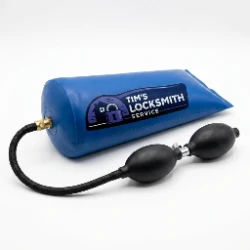
 Air Wedge and Long-Reach Tools
For doors with enough gap between the door and frame, we can insert a small air wedge to create space, then use a long-reach tool to flip the thumb turn or push the door handle from the inside. This is common on residential doors with standard weatherstripping. It does not touch the lock at all, so there is zero chance of lock damage.
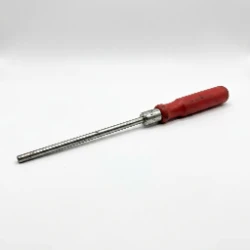
 Thumb-Turn Tools
If the deadbolt has a thumb turn on the inside and there is a gap under the door or through the mail slot, specialized thumb-turn tools can reach through and rotate the thumb turn to retract the bolt. This works on single-cylinder deadbolts where the inside turn is accessible. It is completely non-destructive.
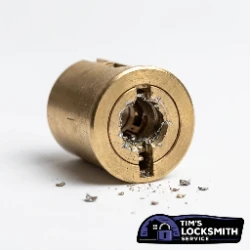
 Drilling (Last Resort)
Drilling is only used when all non-destructive methods have been exhausted and entry is necessary. This means destroying the lock cylinder so it can be turned without pins. If we drill, we replace the lock with a new one at no additional charge. In practice, we drill less than 5% of residential lockouts. It is almost always avoidable with the right tools and technique.
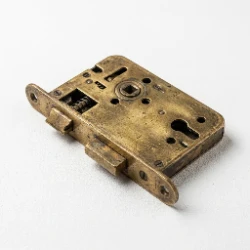
 A Note on Mortise Locks
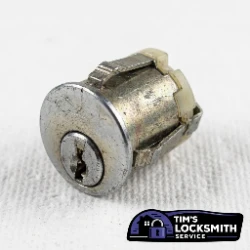
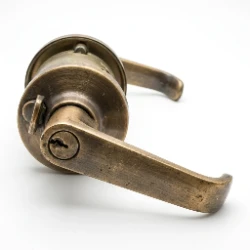
Older homes in San Diego with original mortise locks require a different approach. Mortise locks have a large rectangular lock body inside the door with a separate cylinder screwed into the face. We pick the cylinder and then manipulate the mortise mechanism to retract the bolt. These locks are more complex but we carry the specialized tools to handle them without damage.
What Does an Emergency Lockout Cost?
Low end: A standard knob lock or simple deadbolt lockout during regular hours falls at the low end. These are quick jobs with common locks.
Mid range: Most lockouts fall in the $100 to $125 range. This covers standard deadbolts, after-hours calls, and situations that require more time or technique.
High end: High-security locks (Medeco, Mul-T-Lock), smart lock bypasses, or lockouts requiring multiple entry points push toward the top of the range.
Beyond the range: If a lockout requires drilling and lock replacement, the cost of the new lock hardware is added to the service fee. We tell you this before drilling so there are no surprises.
 About Those $19 Locksmith Ads
What to Do While You Wait
 Check All Other Entrances
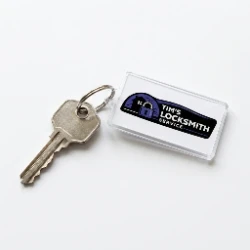
Before you call, try every door and window you can safely reach. Back door, garage entry, sliding door, side gate, check them all. You would be surprised how often a back door or garage side door is unlocked. If you have a hidden key (and we will talk about why you should not), now is the time.
 Contact Your Landlord or Property Manager
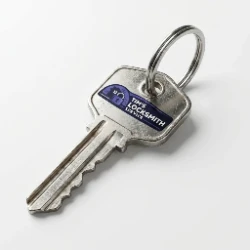
If you rent, your landlord or property manager may have a spare key or be able to let you in. Some property management companies have after-hours lockout procedures. Check your lease or the management company website for emergency contact info.
 Get Your ID Ready
We verify identity before opening a residential door. Have your driver's license, a piece of mail with the address, or a utility bill ready. If you do not have ID on you (because it is inside), we can verify residency other ways, but having something ready speeds things up.
 Stay in a Well-Lit Area
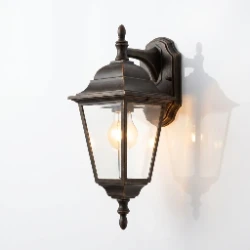
If it is dark out, wait near a porch light, streetlight, or neighbor's house. Let a neighbor or friend know you are locked out. If you are in an unfamiliar or uncomfortable area, stay on the phone with someone until we arrive.
Do Not Try to Force the Lock
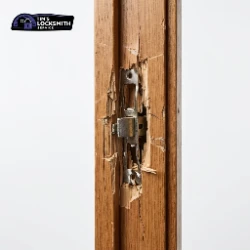
Do not kick the door, try to pick the lock with a credit card, or attempt to remove the hinges. You will damage the door, the frame, or the lock and turn a $100 lockout into a $400 door repair. Let the professional handle it.
Pro Tips to Avoid Future Lockouts
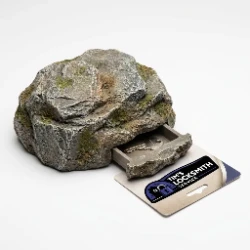
 Ditch the Fake Rock
Fake rocks, magnetic key boxes under the bumper, and keys under the doormat are the first places a burglar checks. They are not a secure backup plan. If you want a hidden key, give one to a trusted neighbor instead.
 Get a Keypad Deadbolt
A keypad deadbolt lets you punch in a code instead of carrying a key. No key means no lockout. Models from Schlage and Kwikset start around $100 installed and run on a single 9V battery for about a year. They still have a physical keyway as backup.
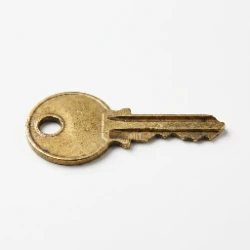
 Keep a Spare Key Off-Site
Give a spare key to a trusted friend, family member, or neighbor who lives nearby. Not in a lockbox on your porch, not in your car, not in the garage. With a person you trust who can meet you in 20 minutes.
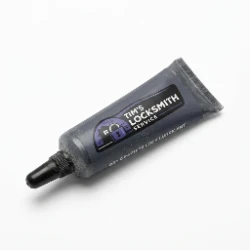
 Lubricate Your Locks Twice a Year
A quick spray of dry graphite lubricant into the keyway every six months keeps the pins moving freely and prevents the gradual stiffness that leads to stuck locks and broken keys. Do not use WD-40 or oil-based lubricants. They attract dust and gum up the pins over time.
 Replace Worn Keys Before They Break
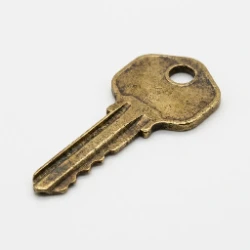
If your key is visibly worn, bent, or has been copied multiple times, get a fresh one cut from the original or by code. A worn key puts extra stress on the lock pins and is more likely to snap off inside the cylinder.
 Keep a Physical Key Even With Smart Locks
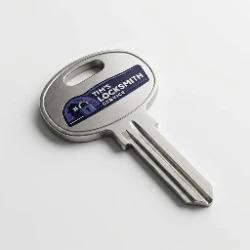
Smart locks fail. Batteries die, apps crash, Wi-Fi drops. Always keep a physical backup key for any smart lock that has a keyway. Store it off-site with someone you trust, not inside the house the smart lock is protecting.
 Update Everyone After a Rekey
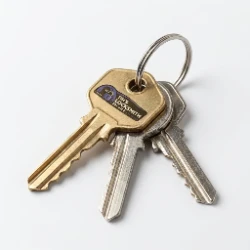
If you rekey your locks, make sure every authorized person (family members, pet sitters, housekeepers, emergency contacts) gets the new key and knows the old one no longer works. Miscommunication about rekeying is a common lockout cause.
A Note for Coastal Homeowners
If you live within a few miles of the coast in San Diego, your locks are taking damage from salt air every single day. Salt-laden moisture accelerates corrosion on brass, zinc, and steel components.
Cylinders get gritty. Pins corrode and bind. Springs weaken and break. Deadbolt bolts pit and drag against the strike plate. The lock that worked fine last month starts fighting you this month, and next month it may not work at all.
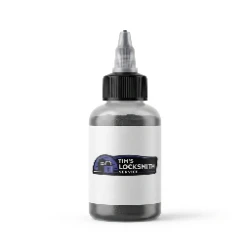
 Lubricate Every 6 Months
Use dry graphite lubricant (not WD-40) in every keyway and on every bolt twice a year. Graphite does not attract moisture or dust the way oil-based lubricants do.
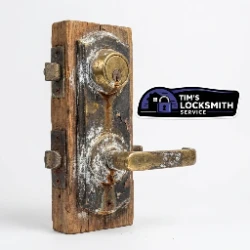
 Inspect Hardware Annually
Look for white or green buildup on exterior lock hardware, especially around the keyway, screws, and strike plates. Surface corrosion can be cleaned. Internal corrosion means the cylinder needs replacement.
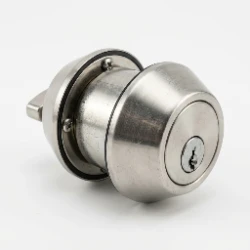
 Choose Stainless Steel or Marine-Grade Hardware
When replacing locks, choose hardware rated for coastal environments. Stainless steel and marine-grade brass resist salt corrosion far better than standard zinc alloy or plated brass.
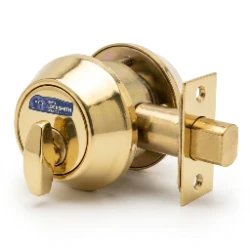
 Replace Exterior Locks Proactively
In coastal areas, plan to replace exterior lock hardware every 7 to 10 years even if it still works. The internal corrosion you cannot see is weakening the lock long before it fails completely.
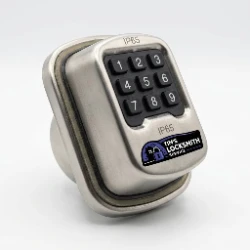
 Consider Sealed Keypad Locks
Keypad deadbolts with sealed keypads (IP65 rating or higher) resist salt and moisture better than standard smart locks. The sealed enclosure keeps salt air away from the electronics and battery contacts.
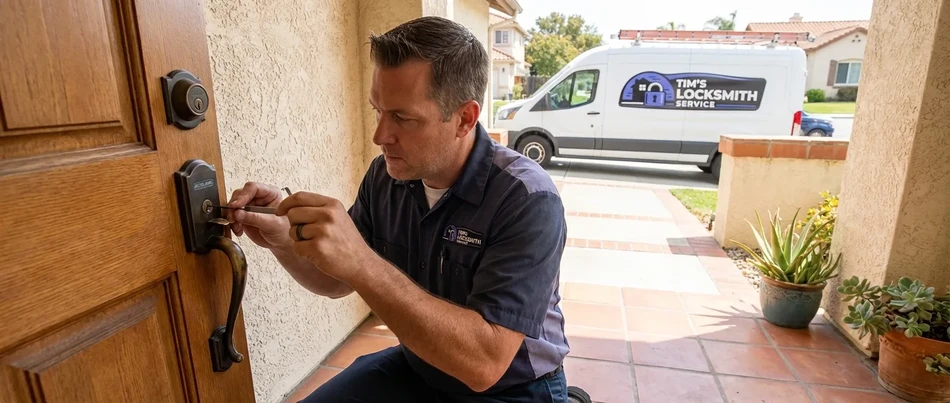
How to Spot a Locksmith Scam
The locksmith industry has a well-documented scam problem. Here is what to watch for so you do not get taken advantage of during a stressful lockout.
$19 or $29 Advertised Price
No legitimate locksmith can drive to your location, open your lock, and make a profit for $19. These are bait-and-switch operations that quote a low price on the phone, then add "emergency fees," "service call fees," "lock difficulty fees," and "after-hours surcharges" until the final bill is $250 or more. The advertised price is designed to get you to say yes before you have time to call a real locksmith.
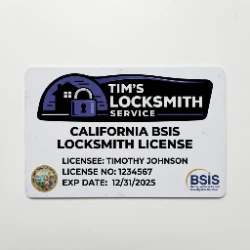
No BSIS License Number
In California, every locksmith must hold a Bureau of Security and Investigative Services (BSIS) license. If the company cannot provide a license number, or gives you a number that does not verify on the BSIS website, they are operating illegally. No license means no background check, no insurance, and no accountability.
 Unmarked Vehicle
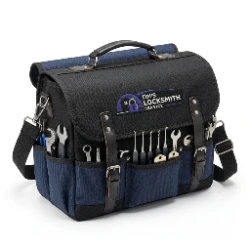
A legitimate mobile locksmith shows up in a branded service vehicle with a company name, phone number, and license number visible. If someone arrives in an unmarked car with no company identification, that is a red flag. Ask for their BSIS license and company ID before letting them touch your lock.
 Wants to Drill First
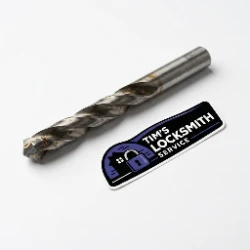
A scam locksmith will often claim the lock "has to be drilled" without attempting any non-destructive method. Drilling is profitable because they charge for the drilling, the new lock, and the installation. A legitimate locksmith tries non-destructive entry first and only drills as a last resort. If someone walks up and immediately says they need to drill, get a second opinion.
 Cash Only, No Invoice
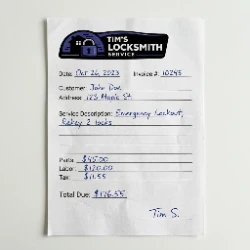
Legitimate locksmiths accept credit cards, provide itemized invoices, and stand behind their work. If someone demands cash, refuses to provide a written invoice, or will not give you a business card, you are dealing with a scam operation. No paper trail means no recourse if something goes wrong.
Tim's Locksmith Service is licensed by the California Bureau of Security and Investigative Services (BSIS LCO#7134), fully insured through State Farm, and BBB accredited with an A+ rating. We arrive in a branded service vehicle, provide an upfront price before starting work, accept all payment methods, and give you an itemized invoice for every job. You can verify our license anytime on the BSIS website.
Locks We Work With
For emergency home lockouts in San Diego we install and service Schlage, Kwikset, and Defiant, along with the other brands listed below.
 Standard Residential
 High-Security
 Smart Locks
Why Choose Us
Six reasons San Diego customers call Tim's for emergency home lockouts work: Licensed, Verified, and Background-Checked, Non-Destructive Entry First, Upfront, Honest Pricing, Equipped for Your Lock, Spare Keys Cut On the Spot, and We Know San Diego.
Licensed, Verified, and Background-Checked
BSIS licensed (LCO#7134), insured through State Farm, and BBB accredited with an A+ rating. Every technician has passed a background check. You know exactly who is opening your door.

Non-Destructive Entry First
We pick, bypass, and use specialty tools before even considering drilling. Less than 5% of our residential lockouts require any destructive method. Your lock works normally after we leave.

Upfront, Honest Pricing
We quote you a price on the phone before dispatching. The price we quote is the price you pay. No emergency surcharges, no hidden fees, no bait-and-switch.

Equipped for Your Lock
Our mobile van carries tools and hardware for every major residential lock brand. Standard deadbolts, high-security cylinders, smart locks, mortise locks, we come prepared for whatever is on your door.
Spare Keys Cut On the Spot
After we get you in, we can cut spare keys right there so this does not happen again. No second trip, no hardware store visit. You walk away with backup keys in hand.
We Know San Diego
We service San Diego every day. We know the lock brands builders use in this area, the coastal corrosion issues, the apartment complexes with restricted keyways, and the neighborhoods where we need to navigate gated communities. Local knowledge means faster, better service.
What Our Customers Say
Here is what a few San Diego customers said after we handled their emergency home lockouts.
"Locked myself out at 8 PM with dinner on the stove. Tim was there in 25 minutes and had me inside in less than 5. He picked the deadbolt without a scratch. Cut me two spare keys before he left. Could not ask for better service."
"Our smart lock died on a Sunday night. No backup key because I am an idiot. Tim came out, bypassed the lock, replaced the batteries, and set us up with a physical backup key. Fair price, no pressure, exactly what we needed."
"My key snapped in the deadbolt. Tim extracted the broken piece, checked the lock for damage, and cut a new key. The whole thing took maybe 30 minutes. He also told me my lock was starting to corrode from the coastal air and would need replacing in a year or so. Appreciated the honesty."
 Serving All of San Diego
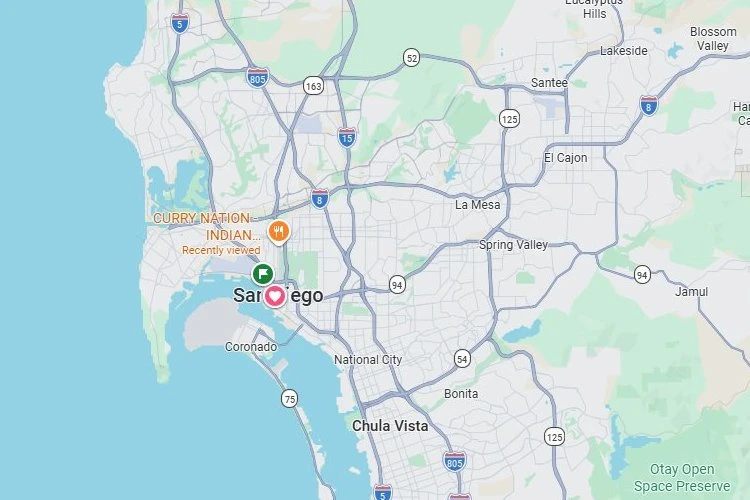
We bring emergency home lockouts to every city we cover in San Diego, from San Diego to Otay Mesa.
Frequently Asked Questions
Related Emergency Services
If you need more than emergency home lockouts, we also handle emergency vehicle lockouts, lock replacement after break-ins, and urgent lock repairs across San Diego.
Emergency Vehicle Lockouts
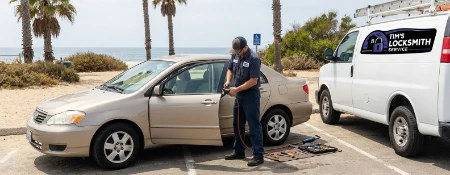
Locked your keys in the car? We open your vehicle on-site using non-destructive entry tools. No damage to your door, lock, or window. We carry tools for cars, trucks, SUVs, and vans of all makes and models.
View Service
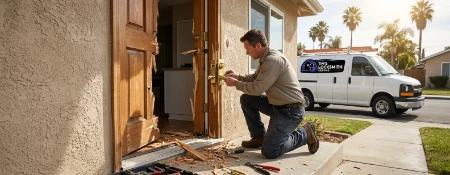
Lock Replacement After Break-Ins
Had a break-in? We respond fast and replace damaged locks on the spot. New deadbolts, new knob locks, reinforced strike plates, and anything else needed to secure your property immediately.
View Service
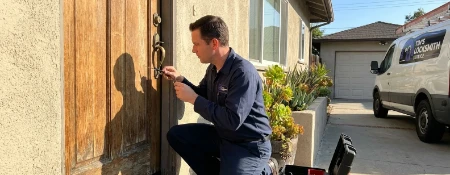
Urgent Lock Repairs
Lock jammed? Key stuck? Deadbolt not engaging? When a lock problem needs to be fixed right now, call us. We carry common parts and hardware in the van so most repairs happen in a single visit.
View Service
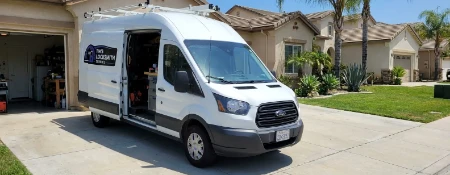
Mobile Locksmith Services
We come to you. Our mobile locksmith van is fully equipped to handle any lock or key job at your location. Home, office, parking lot, roadside. No need to tow, transport, or remove anything.
View Service
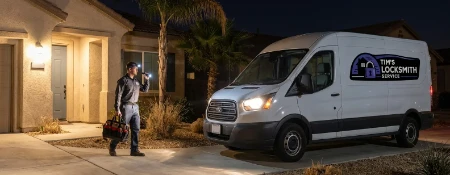
Fast Response Assistance
Call or text and get a real person, not a call center. We give you a straight answer, an upfront price, and a specific arrival window. No runaround, no transfers, no waiting on hold.
View Service
Explore Our Other Services
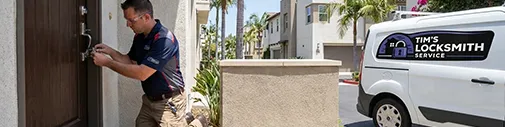
Residential Locksmith
Complete home locksmith services including lock installation, repair, rekeying, and smart lock setup, done at your door.
View Residential Services
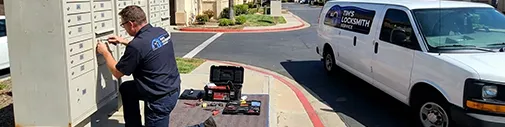
Commercial Locksmith
Business locksmith services including access control, master key systems, high-security locks, and panic hardware.
View Commercial Services
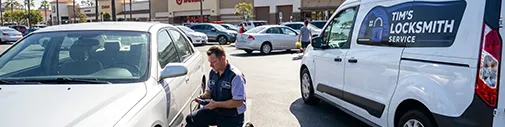
Automotive Locksmith
Car key cutting, programming, fob replacement, and ignition repair for most makes and models. We come to your vehicle.
View Automotive Services
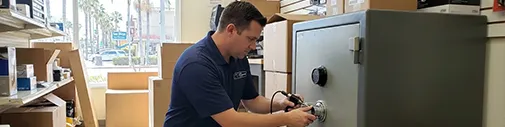
Safe Locksmith
Safe opening, combination changes, lock repair, and electronic safe programming for home and office safes. On-site service.
View Safe Services
Emergency Locksmith
Fast response for home, car, and business lockouts, break-in repairs, and urgent lock needs. We come to you, usually same day.
View Emergency Services
Need Emergency Lockout Help?
Locked out of your home? Call (619) 768-2745 right now. We give you a price and an ETA on the phone, then head straight to you. No runaround, no transfers, no inflated fees. Just a licensed locksmith who shows up fast and gets you back inside.
 Open Daily
 Mobile service across San Diego County