Broken Key Extraction in Ventura County
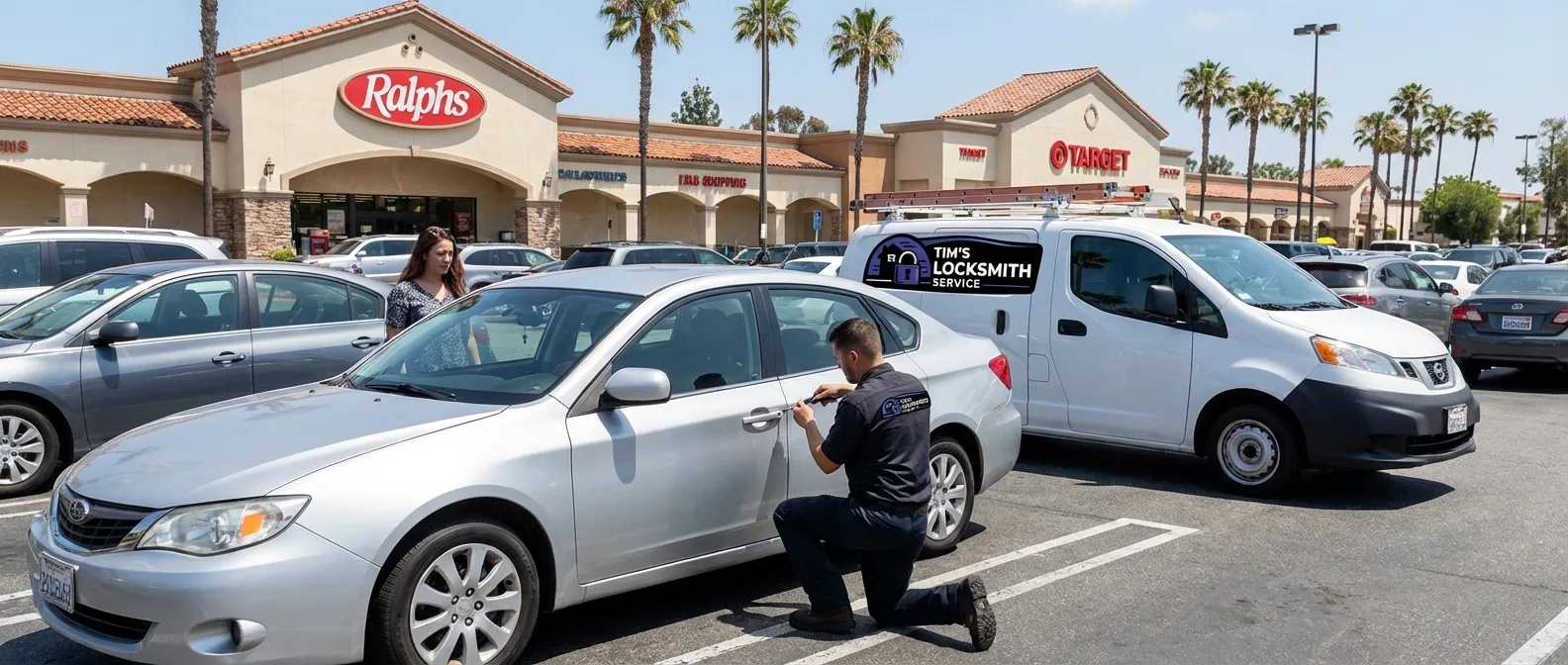
Key snapped off in your ignition, door lock, or trunk? We extract broken key fragments without damaging the lock cylinder, then cut a fresh key on-site so you can get back on the road the same visit.
 Call (805) 765-3717
 Text for Quote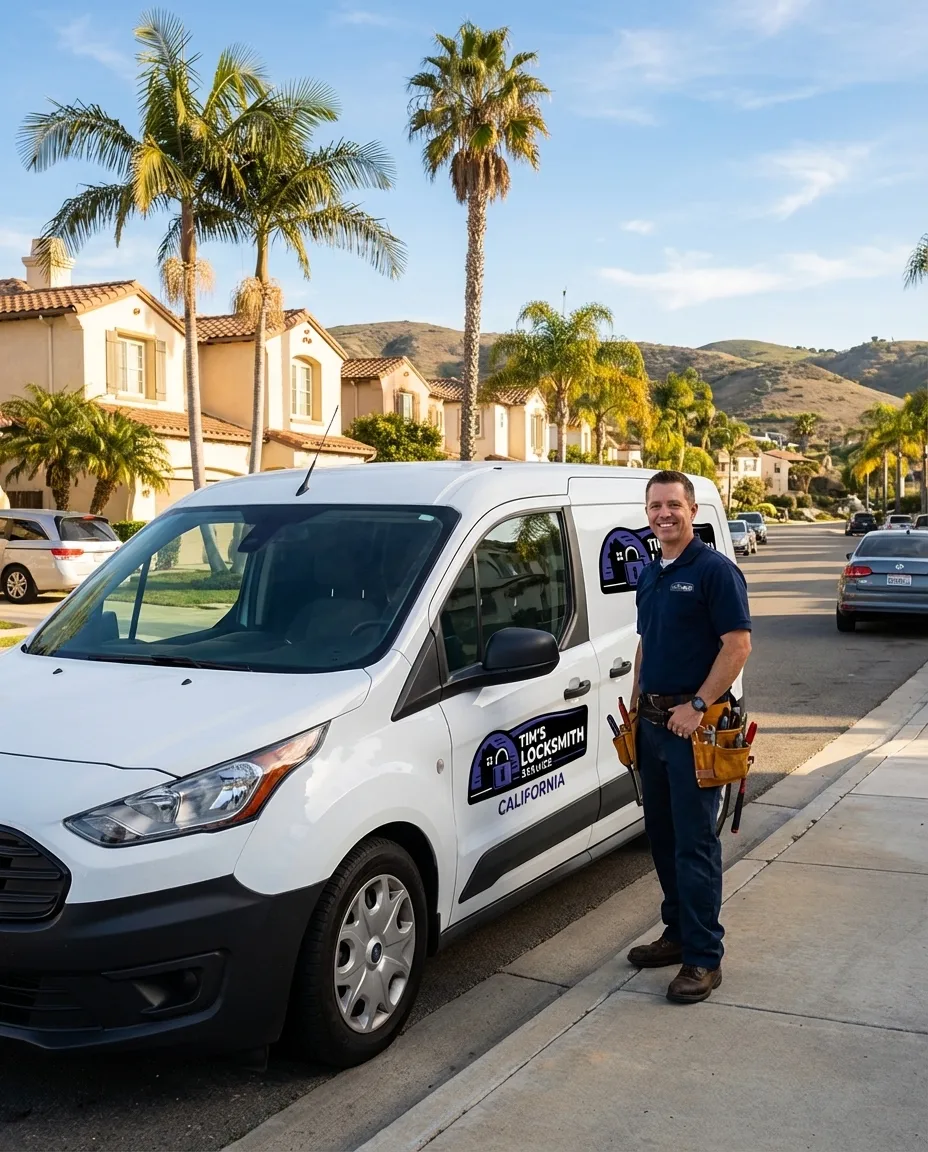
Professional Broken Key Extraction
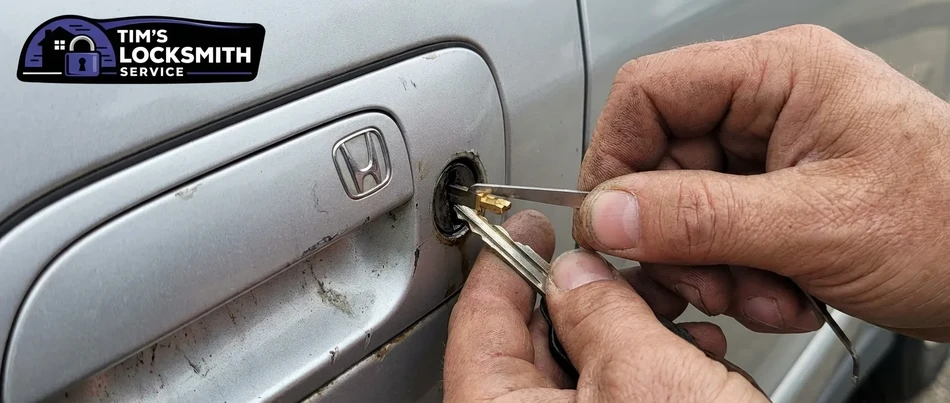
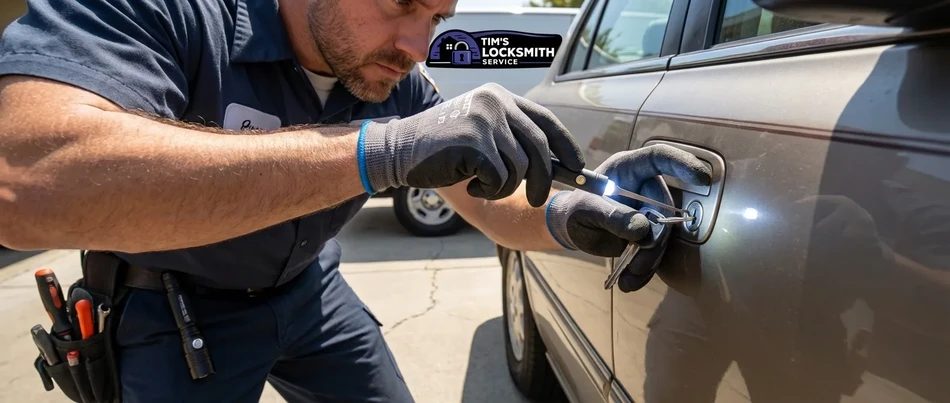
We use purpose-built extraction tools including spiral extractors, hook picks, and tweezers designed specifically for automotive lock cylinders. These instruments grip the broken key fragment along its cuts without contacting the lock pins, so the cylinder stays fully intact during removal. Most fragments come out in under ten minutes. No drilling, no cylinder removal, no collateral damage to the surrounding trim or column cover.
Fresh Key Cut and Programmed On-Site
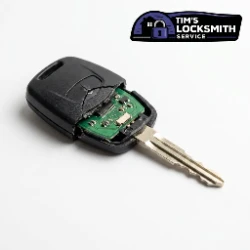
Once the broken piece is out, we inspect the lock cylinder for any bent pins, worn wafers, or debris left behind. If everything is intact, we cut a fresh key on-site by code or by decoding the lock. If the vehicle uses a transponder or smart key, we program the chip to the immobilizer system before we leave so you can start the car and drive away the same visit. One call, one visit, back on the road.
What's Included
Every broken key extraction visit in Ventura County covers non-destructive extraction of the broken key fragment, lock repair if internal damage is found, and fresh key cut on-site by code; the full checklist is below.
 Non-destructive extraction of the broken key fragment
- Cylinder inspection for pin or wafer damage after removal
- Lock repair if internal damage is found
- Fresh key cut on-site by code, decode, or duplicate
- Transponder chip programming if the vehicle requires it
- Lock lubrication and function test before we leave
- Upfront pricing before any work begins
How It Works
Getting broken key extraction done in Ventura County takes three steps: call or text us, we come to you, and extraction and replacement.

Call or Text Us
Tell us your vehicle make, model, year, and where the key broke. We give you an upfront price and an arrival window.

We Come to You
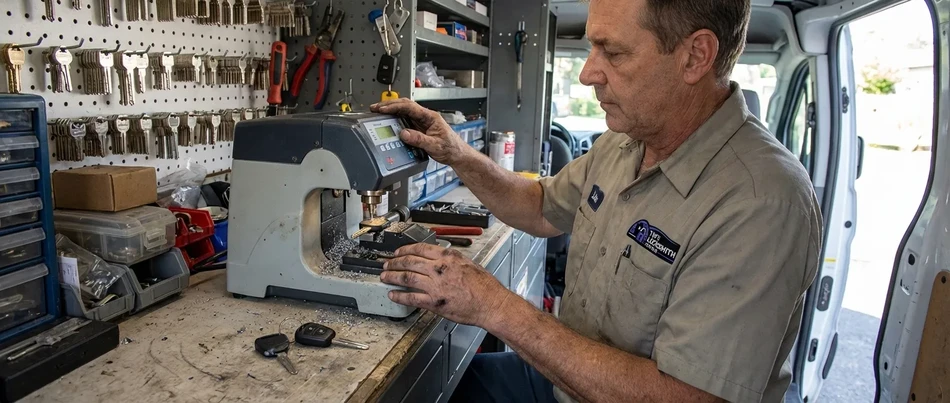
Our mobile van arrives at your location with extraction tools, key cutting machines, and programming equipment for your vehicle.

Extraction and Replacement
We remove the fragment, inspect the cylinder, cut a new key, program it if needed, and test everything before we leave.
Types of Extraction
Work on extraction in Ventura County usually falls into a few categories, including door lock extraction, ignition extraction, and trunk lock extraction.
 Door Lock Extraction
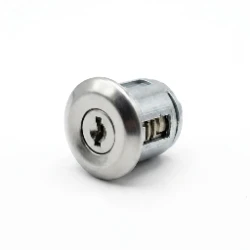
Door lock cylinders are among the most accessible for extraction. With the door panel intact, we access the keyway directly and use the appropriate extractor for the fragment depth. On vehicles with side-biting high-security keyways such as Honda or Toyota wafer locks, we select tools matched to that specific profile to avoid disturbing the wafers during removal.
 Ignition Extraction
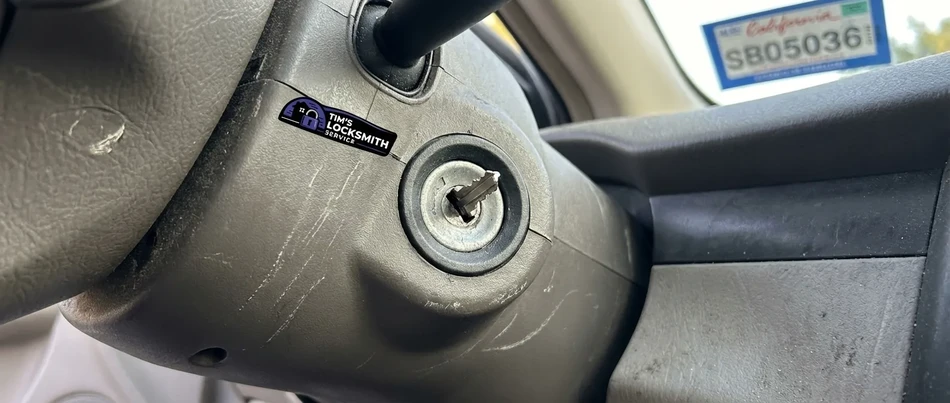
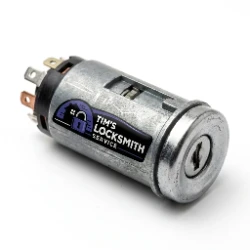
Ignition cylinders are more confined and require a steadier technique, but most extractions are still non-destructive. We work with the steering column accessible and use illuminated picks to locate the fragment tip. If the key broke during a rotation attempt, the fragment may be partially turned inside the cylinder. We back it to the zero position before extraction to give the tools the best angle.
 Trunk Lock Extraction
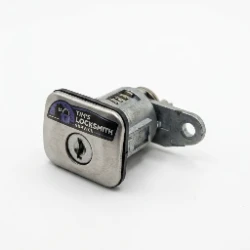
Trunk locks often use the same keyway as the door but may have deeper cylinders with less clearance. Access depends on the vehicle design. On most sedans and hatchbacks the trunk lock is exposed from the exterior, giving us clean tool access. On vehicles where the lock is recessed behind trim panels, we may open the trunk via the interior latch before working on the lock.
Why Car Keys Break
 Worn Key Copies
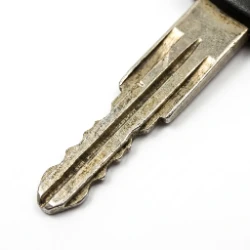
Every time a key is duplicated from another copy rather than the original factory key, small errors compound. After several generations of copying, the blade may be slightly misaligned with the lock wafers. Forcing a worn copy that does not quite fit puts lateral stress on the blade, and the narrowest point of a thin automotive key shears when that stress exceeds its material limit.
 Heavy Keychains
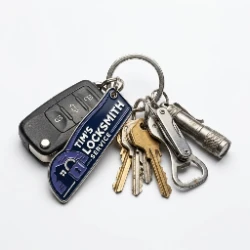
A keychain loaded with fobs, loyalty cards, and extra keys creates a pendulum effect while you drive. That constant motion puts repeated stress on the ignition cylinder wafers through the key blade. Over months and years, the wafers wear slightly, the key starts to bind at the off position, and one firm tug to remove it applies the torque that snaps the blade at the shoulder.
 Sticky Ignitions
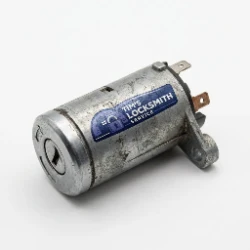
Ignition cylinders that are stiff to turn or hard to remove to the off position force drivers to use more effort than the key was designed to handle. Stiff ignitions are often caused by worn wafers, debris inside the cylinder, or a failing anti-theft lock mechanism. The key is the weakest link and breaks before the cylinder gives way.
 Cheap Aftermarket Blanks
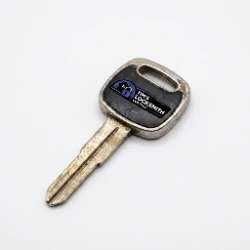
Not all key blanks are made from the same alloy. Quality nickel-silver blanks used by professional locksmiths have consistent grain structure and predictable tensile strength. Cheap blanks sold at hardware store kiosks are sometimes made from softer alloys or have inconsistent thickness tolerances. These blanks are more likely to snap under normal use, especially on stiff locks.
 Corroded Cylinders
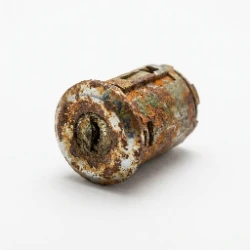
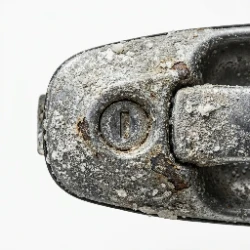
Salt air from the coast accelerates corrosion inside lock cylinders. Corroded wafers do not spring back fully after each key insertion, creating drag points that require increasing force to operate. The friction inside a corroded cylinder is much higher than a maintained one, and that extra force goes straight into the key blade. Eventually the blade gives way at its thinnest section.
 Coastal Corrosion and Key Breakage
Ventura County coastal communities from Port Hueneme to Carpinteria see this pattern constantly. Vehicles parked near the beach accumulate salt deposits inside every unsealed opening, including door lock and ignition keyways. A cylinder that feels normal in dry conditions becomes noticeably stiffer after six months of coastal exposure without maintenance. We see the highest rate of broken key calls from neighborhoods within a few miles of the waterfront.
Preventing it is straightforward. A small amount of dry graphite lubricant into the keyway once or twice a year keeps the wafers moving freely without attracting the grit and salt that liquid lubricants can collect. If your lock ever feels stiffer than usual or the key requires extra effort to remove, that is the right moment to call us for a cylinder service rather than waiting for the key to break.
Not All Extractions Are Equal
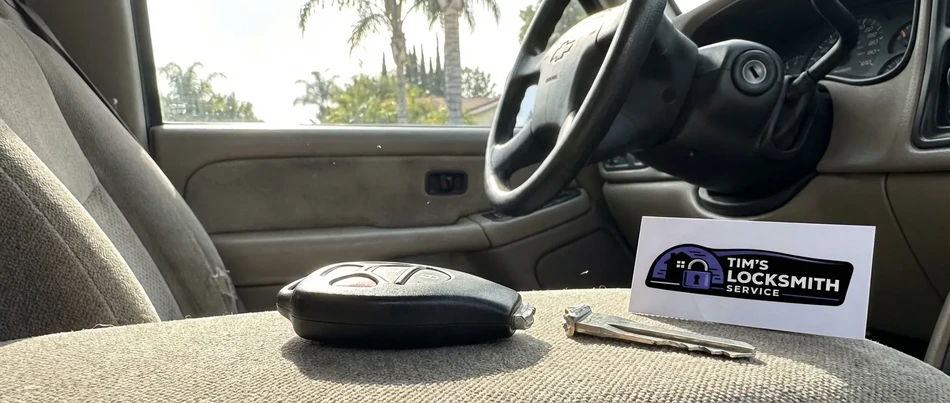
Certain vehicle designs add complexity to the extraction process. Here is what we account for on specific platforms.
 Honda Sidebar Ignitions
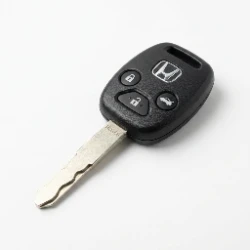
Honda ignition cylinders on models from roughly 2000 through the mid-2010s use a sidebar in addition to standard pin tumblers. The HON66 and HON58R keyways have tight tolerances that grip the key blade on two planes simultaneously. This design makes unauthorized duplication difficult but also means a broken key fragment is gripped from multiple angles, requiring a tool set matched to the Honda sidebar geometry for clean extraction.
 GM VATS Keys
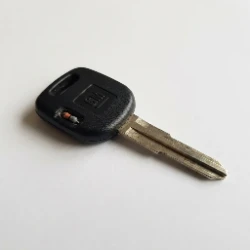
Older GM vehicles from the late 1980s through the early 2000s used the Vehicle Anti-Theft System, which embeds a resistor pellet partway down the key blade. When a VATS key breaks, the resistor may remain in the cylinder or come out with the fragment. If the resistor stays behind, we retrieve it separately after removing the main blade piece. The new key requires a resistor of the same resistance value, which we measure from the original fragment.
 Ford PATS Ignitions
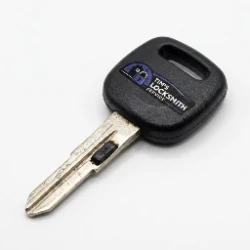
Ford Passive Anti-Theft System ignitions on vehicles from the mid-1990s onward use a transponder chip in the key head that communicates with the PCM. The mechanical extraction procedure is standard, but key replacement requires programming a new PATS transponder to the vehicle. We carry Ford PATS programming capability in our van and complete the full process on-site.
 BMW Electronic Column Locks
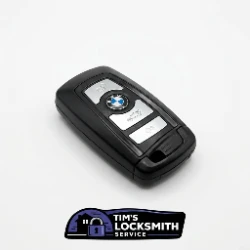
Late-model BMW and MINI vehicles with electronic steering column locks add a complication when the key breaks in the ignition. The column lock engages automatically when the car is off, and a broken key fragment that cannot be turned to the accessory position leaves the lock engaged. We address the column lock state before attempting extraction, which sometimes requires connecting diagnostic equipment to command the column lock module directly.
 Toyota and Lexus Wafer Ignitions
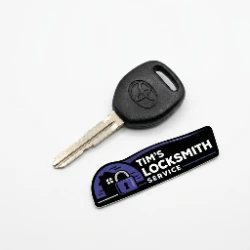
Toyota and Lexus ignition cylinders use wafer tumblers rather than pin tumblers in many models, particularly the TOY43 and TOY48 keyways common on vehicles from the 1990s through 2010s. Wafer cylinders are sensitive to tool angle during extraction. A slightly off-angle extractor can push a wafer out of position and create a secondary problem inside the cylinder. We use wafer-specific extractors that keep the tumblers in their channels throughout the process.
What Happens After Extraction
 Cutting From the Broken Pieces
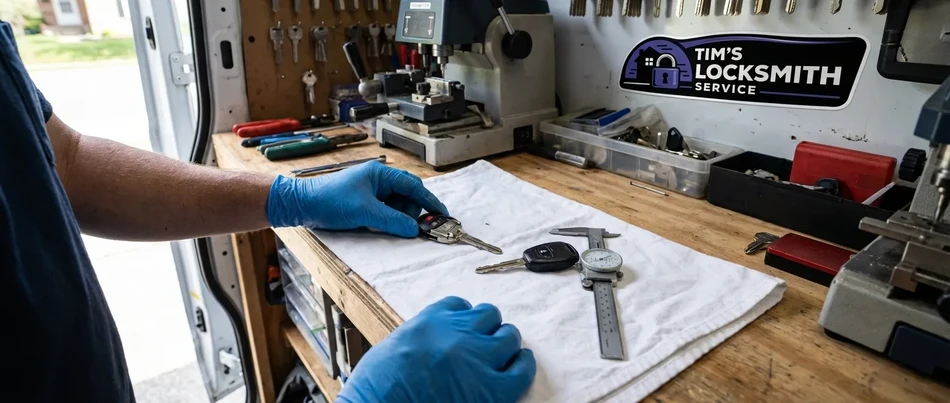
If the broken pieces together form a complete blade, we can lay them out in order and read the cut depths directly from the fragment. A fragment that covers the full blade length from tip to shoulder gives us enough information to cut a matching replacement on our code machine. This method is fast and eliminates the need to decode the lock or look up the VIN code.
 Decoding the Lock
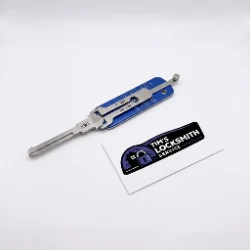
When the fragment is too short or too damaged to read accurately, we decode the lock cylinder using a Lishi tool inserted into the keyway. The decoder rides each wafer or pin position and displays the cut depth at every point. We translate those depths into a key code and cut the replacement from that code. Decoding takes five to ten minutes and produces a key that matches the factory specification exactly.
 VIN-Based Code Lookup
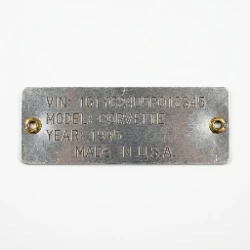
For vehicles where the VIN is linked to a factory key code in our reference database, we can pull the original cut depths from the VIN. This bypasses both the fragment and the lock cylinder entirely. VIN-based cutting is particularly useful when the ignition fragment is stuck deep in the cylinder and we want the replacement key ready before attempting extraction.
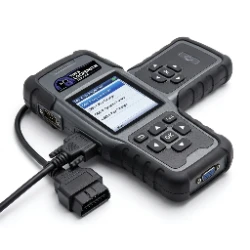
 Transponder Chip Test and Programming
After cutting a replacement key mechanically, we test whether the vehicle requires transponder programming. Most vehicles made after 1998 do. We use our OBD-II programmer to add the new key to the vehicle immobilizer. On all-keys-lost scenarios where no programmed key exists, we use specialized equipment to perform a PIN read and program the first key. The full programming sequence is done before we leave the vehicle.
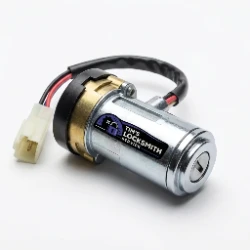
 When the Cylinder Needs Replacement
Occasionally the broken key causes enough internal damage that the cylinder cannot be reliably serviced. Bent pins, sheared wafers, or a fragment that cannot be extracted non-destructively may mean the cylinder needs to come out. We carry common ignition cylinder assemblies and can perform the replacement on-site in most cases. The new cylinder is rekeyed to your existing door key so you do not end up with multiple keys for one vehicle.
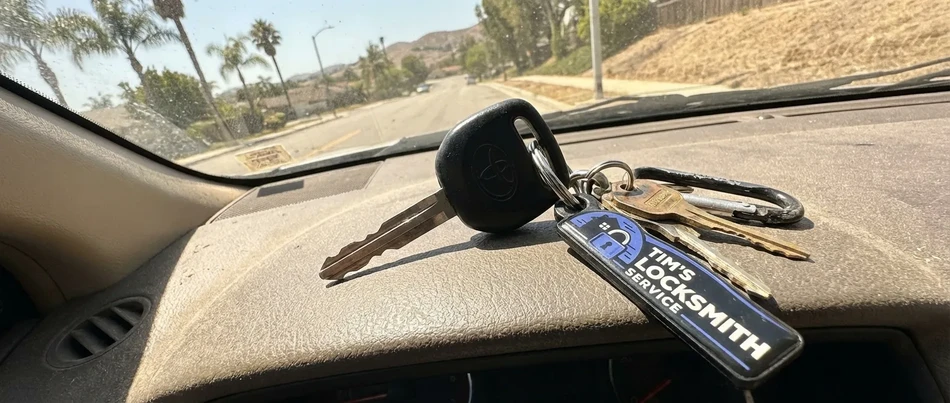
DIY Mistakes That Make It Worse
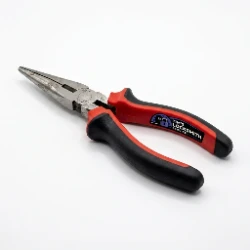
 Pliers and Screwdrivers
Grabbing at the exposed key stub with pliers or pushing it further in with a screwdriver are the two most common mistakes we see. Pliers crush the key shoulder and remove any clean surface for an extractor to grip. A screwdriver tip driven alongside the fragment pushes it deeper into the cylinder and may push the fragment past the point where standard extraction tools can reach, sometimes requiring cylinder disassembly.
 Super Glue
Bonding a stick or wire to the fragment tip with super glue sounds logical but almost never works. Automotive lock cylinders have minimal clearance around the keyway, and any adhesive that wicks onto the cylinder walls bonds the fragment permanently to the housing. We have seen cylinders destroyed by glue attempts that would otherwise have been straightforward extractions. Do not put anything adhesive into a lock cylinder.
 Wire and Paperclips
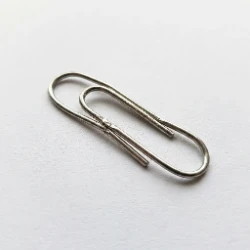
Thin wire inserted alongside the fragment to try to hook it typically has two results. Either the wire slips off the fragment repeatedly without gripping, accomplishing nothing, or it pushes the fragment sideways and jams it at an angle inside the cylinder. An angled fragment is significantly harder to extract than a straight one and may require tools that are not in a standard kit. The cylinder can also be scratched by repeated wire attempts, which accelerates future wear.
 When to Stop and Call Us
- The key broke flush with or below the face of the lock
- You can see the fragment but cannot grip any part of it
- The fragment moved sideways or turned when you attempted removal
- You inserted anything into the keyway other than the original key
- The lock is not turning even with the fragment partially out
- The vehicle is a late-model with electronic column lock or advanced anti-theft
- More than five minutes have passed and the fragment has not moved
The only tool worth trying before calling us is a pair of long-nose pliers if the fragment tip is visibly protruding more than about a quarter inch from the keyway face. A single gentle grip-and-pull attempt is reasonable. Anything beyond that risks making the extraction more difficult and more expensive.
Pro Tips
 Keep Your Keyring Light
Remove anything from your key ring that you do not use every day. A single car key and one or two other keys is the right target. The less weight swinging from your ignition, the less wear on the cylinder wafers over time.
 Cut New Keys From the Original
Always make copies from your factory original or a professional locksmith-cut key, not from a copy of a copy. Each generation of duplication adds small errors that accumulate into a key that does not quite fit and puts extra stress on the lock.
 Use Nickel-Silver Blanks
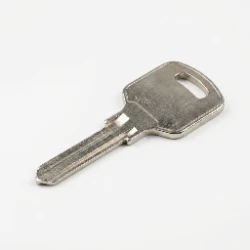
Ask your locksmith specifically to use nickel-silver blanks, which is standard practice for us. Nickel-silver has better tensile strength and corrosion resistance than cheaper steel blanks and is less likely to snap in service.
 Lubricate Your Cylinders Annually
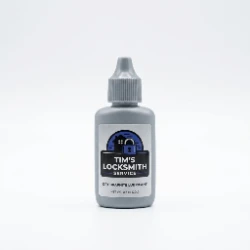
A small application of dry graphite lubricant in your ignition and door lock keyways once a year keeps the wafers moving freely. Avoid WD-40 and oil-based lubricants in locks as they attract dirt and create a gummy residue over time.
 Do Not Ignore a Stiff Ignition
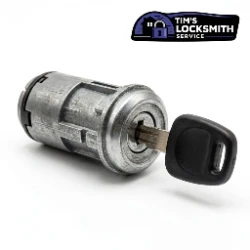
A stiff or sticky ignition is warning you that something inside is wearing or corroded. If you notice increased resistance when turning the key or trouble removing it at the off position, call us for a cylinder inspection before the key breaks inside.
 Rinse Door Locks After Beach Visits
A quick rinse with fresh water and a dry-off of any exposed lock faces removes salt deposits before they work into the keyway. Coastal residents who maintain their cylinders this way see dramatically fewer broken key incidents over the life of the vehicle.
All Makes and Models
We stock keys and parts for Toyota, Honda, and Ford, plus most other makes on the road in Ventura County.
Transparent Pricing
Final price depends on the vehicle, the location of the break, and what key replacement is needed after extraction.
 Where the Key Broke: Door lock extractions are typically at the lower end of the range. Ignition extractions may cost more due to additional access and technique requirements.
 Internal Cylinder Damage: If the broken key bent pins or wafers inside the cylinder, a repair or replacement adds to the total. We diagnose this after extraction and advise before proceeding.
 Key Type Needed: A standard mechanical replacement key is included in most extractions. Transponder programming, smart key replacement, or VATS key matching adds to the price.
 Vehicle Make and Model: Honda sidebar ignitions, BMW electronic column locks, and high-security keyways require additional time and specialized tooling, which is reflected in the price.
Call for a free upfront quote before any work begins.
Why Choose Us
Six reasons Ventura County customers call Tim's for broken key extraction work: Licensed and Insured, Same-Day Mobile Service, Upfront Pricing, We Know Your Vehicle, Extraction Plus Replacement, One Visit, and Coastal Hardware Experience.
Licensed and Insured
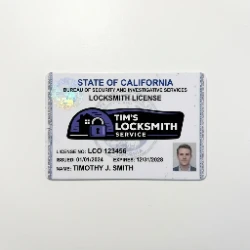
BSIS licensed (LCO#7134) and insured through State Farm. Your vehicle and lock cylinder are protected from the moment we start.
Same-Day Mobile Service
We come to your vehicle wherever it is. Parking lot, driveway, roadside. Same-day service throughout Ventura County.
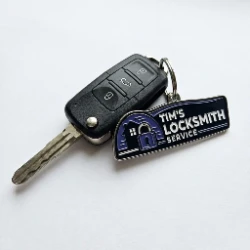
Upfront Pricing
We give you the full price before we pick up a tool. No surprise charges for the new key or programming. What we quote is what you pay.
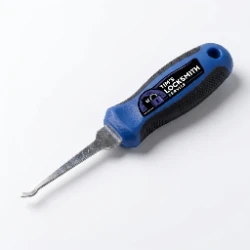
We Know Your Vehicle
Honda sidebars, GM VATS resistors, Ford PATS, BMW column locks. We carry the right tools and programming equipment for the specific vehicle on your call, not a one-size-fits-all kit.
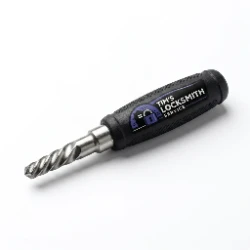
Extraction Plus Replacement, One Visit
We extract the fragment and cut and program a replacement key on the same call. You do not need to call a tow truck, visit a dealer, or wait for parts. One visit and you drive away.
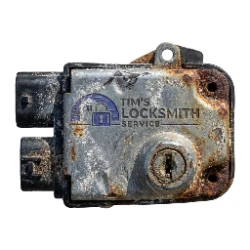
Coastal Hardware Experience
We understand how salt air affects lock cylinders along the Ventura County coastline. We bring the right lubricants and assess cylinder condition as part of every extraction call.
What Our Customers Say
Here is what a few Ventura County customers said after we handled their broken key extraction.

"Key snapped off in my ignition in a parking lot. Tim's came out within 45 minutes, pulled the fragment out, and cut me a new key on the spot. The technician was calm and professional and explained everything he was doing. Would not go anywhere else."
"I tried to get it out myself with some needle-nose pliers and made it worse. Tim's came out and still got it out without damaging the cylinder. New key cut the same visit. Wish I had just called them first."

"Broken key in my Honda door lock. Tim's knew exactly what tools to use for the Honda keyway and had it out in minutes. Very reasonably priced. The whole thing took less than half an hour."
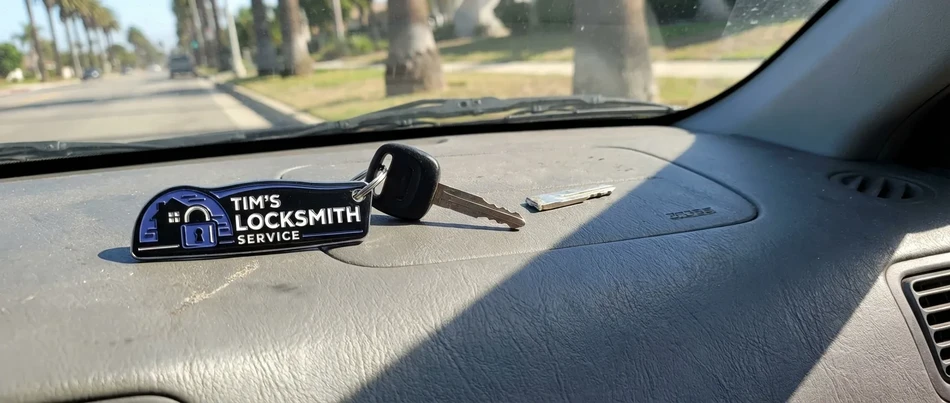
 Serving All of Ventura County
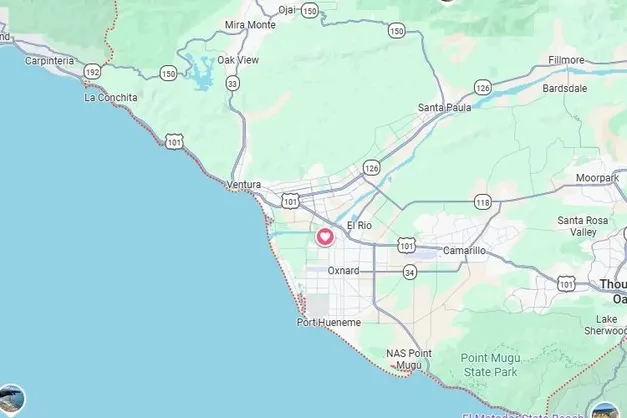
We bring broken key extraction to every city we cover in Ventura County, from Oxnard to Westlake Village.
Frequently Asked Questions
Related Automotive Services
If you need more than broken key extraction, we also handle car key cutting, key programming, and ignition replacement across Ventura County.
Car Key Cutting
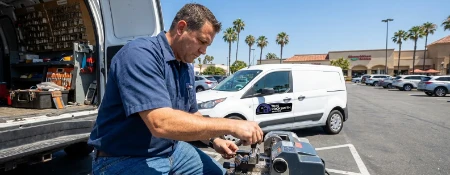
We cut car keys on-site using professional key cutting machines. Standard keys, transponder keys, high-security laser cut keys, and flip keys. Precision cut to factory specs and tested at your vehicle before we leave.
View Service
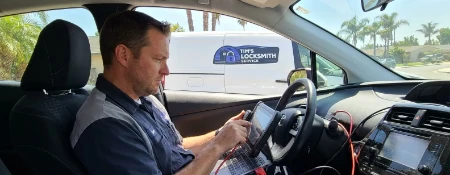
Key Programming
Transponder keys, smart keys, and key fobs all need to be programmed to your vehicle's immobilizer system. We program keys on-site using professional diagnostic tools. No dealer appointment needed.
View Service
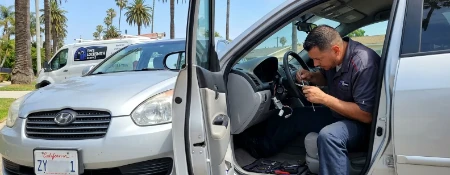
Ignition Replacement
Ignition stuck, worn out, or damaged? We replace ignition cylinders and switches on-site. The new ignition comes programmed to work with your existing keys whenever possible, so you keep the same key for doors and ignition.
View Service
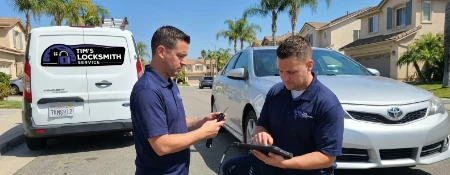
Key Fob Replacement
Lost your key fob or need a spare? We carry fob inventory for most makes and models. We program the new fob to your vehicle on-site. Push-to-start smart fobs, remote fobs, and flip key fobs.
View Service
Explore Our Other Services
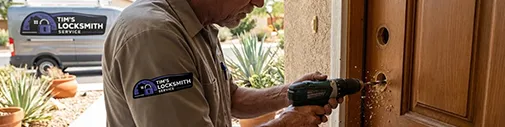
Residential Locksmith
Complete home locksmith services including lock installation, repair, rekeying, and smart lock setup, done at your door.
View Residential Services
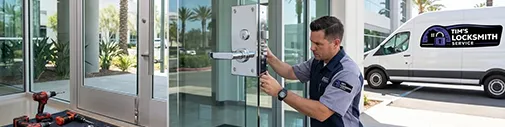
Commercial Locksmith
Business locksmith services including access control, master key systems, high-security locks, and panic hardware.
View Commercial Services
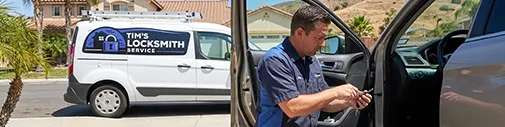
Automotive Locksmith
Car key cutting, programming, fob replacement, and ignition repair for most makes and models. We come to your vehicle.
View Automotive Services
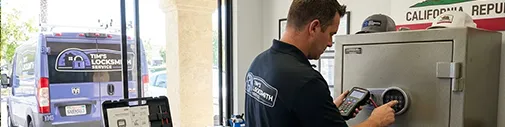
Safe Locksmith
Safe opening, combination changes, lock repair, and electronic safe programming for home and office safes. On-site service.
View Safe Services
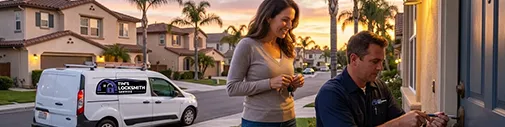
Emergency Locksmith
Fast response for home, car, and business lockouts, break-in repairs, and urgent lock needs. We come to you, usually same day.
View Emergency Services
Need Broken Key Extraction?
Call now and we will come to your vehicle anywhere in Ventura County. Upfront pricing, same-day service, and we cut a new key before we leave.
 Open Daily
 Mobile service across Ventura County