
Safe Lock Repair and Replacement in Ventura County
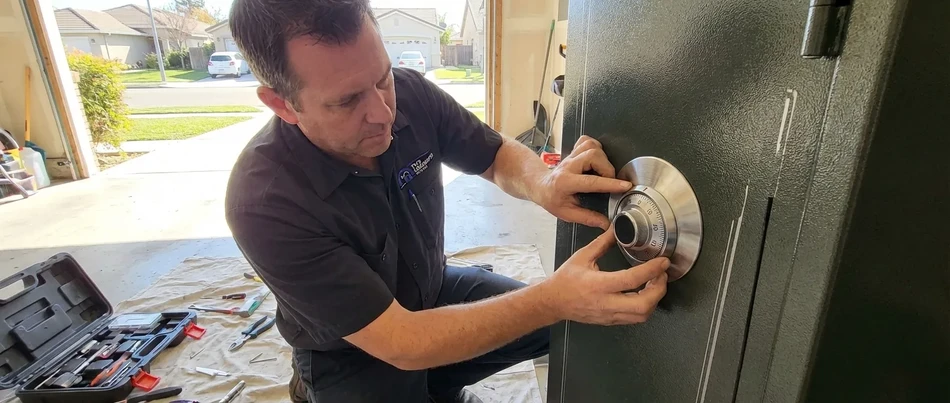
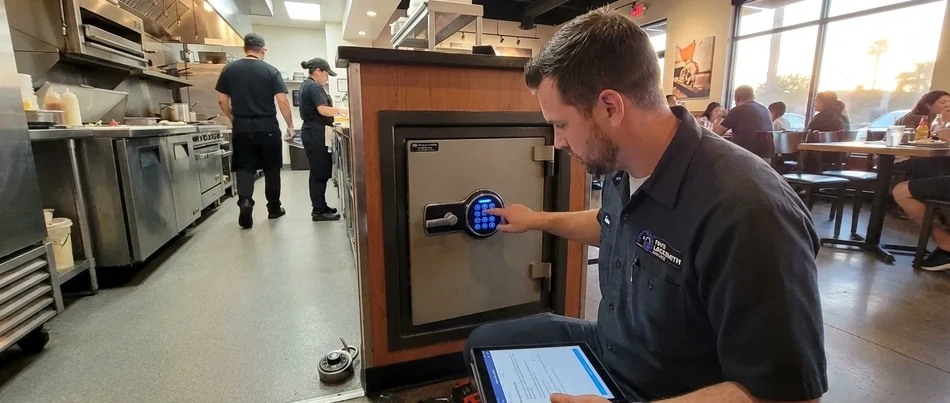
Safe lock not responding? Dial feels loose or gritty? Keypad beeping but the bolt won't move? We diagnose and repair safe locks on-site across Ventura County. If the lock is beyond repair, we replace it with a matching or upgraded unit and test everything before we leave. Mechanical dials, electronic keypads, key-operated locks, and bolt work, all covered.
 Call (805) 765-3717
 Text for Quote
What's Included
Every safe lock repair and replacement visit in Ventura County covers non-destructive troubleshooting before any disassembly, mechanical dial cleaning, and electronic keypad testing; the full checklist is below.
 On-site diagnosis of the lock mechanism and bolt work
- Non-destructive troubleshooting before any disassembly
- Mechanical dial cleaning, lubrication, and adjustment
- Electronic keypad testing, battery replacement, and code verification
- Lock replacement with OEM or compatible aftermarket unit
- Bolt work inspection and adjustment
- Full combination reset or user code programming after repair
- Function testing with the safe door open and closed before we leave
How It Works
Getting safe lock repair and replacement done in Ventura County takes three steps: call or text us, we come to you, and repair or replace.

Call or Text Us
Reach out at (805) 765-3717 by phone or text. Tell us the safe brand, lock type (dial, keypad, key), and what the lock is doing. We give you an upfront quote before we head your way.

We Come to You
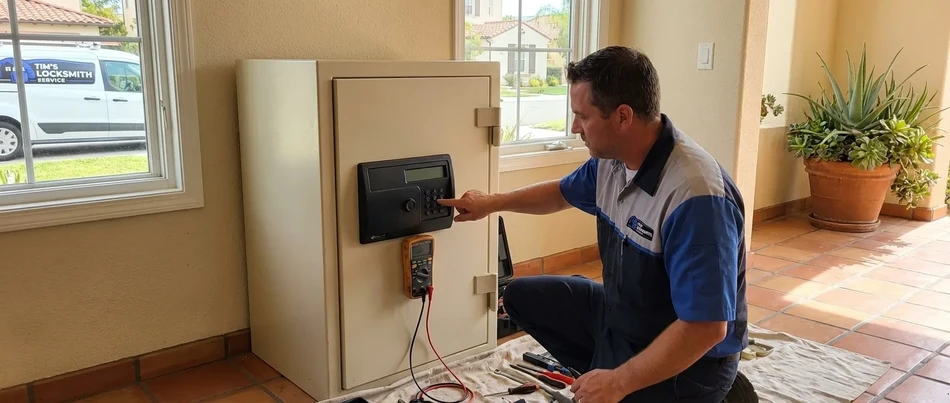
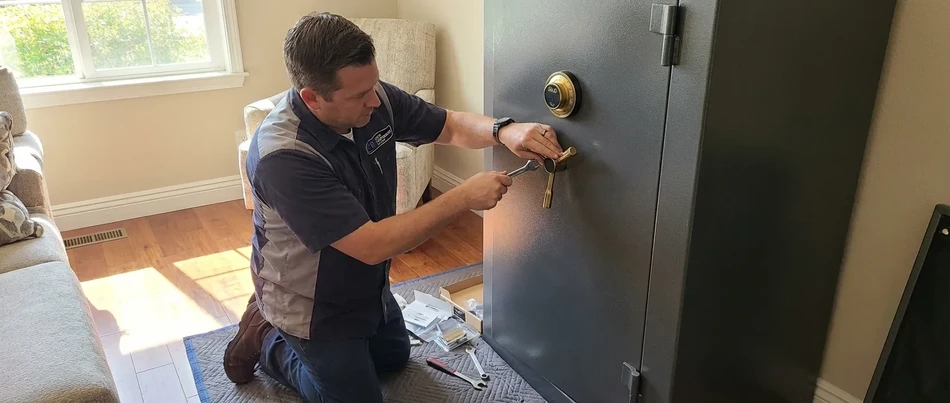
Our mobile van arrives at your location anywhere in Ventura County with safe lock tools, replacement locks, and diagnostic equipment on board. We assess the lock in person and confirm the repair or replacement plan.

Repair or Replace, Then Test
We repair the existing lock if possible. If the lock is beyond repair, we replace it with a matching or upgraded unit. Every job ends with multiple open/close tests with the door both open and closed so you know it works before we leave.
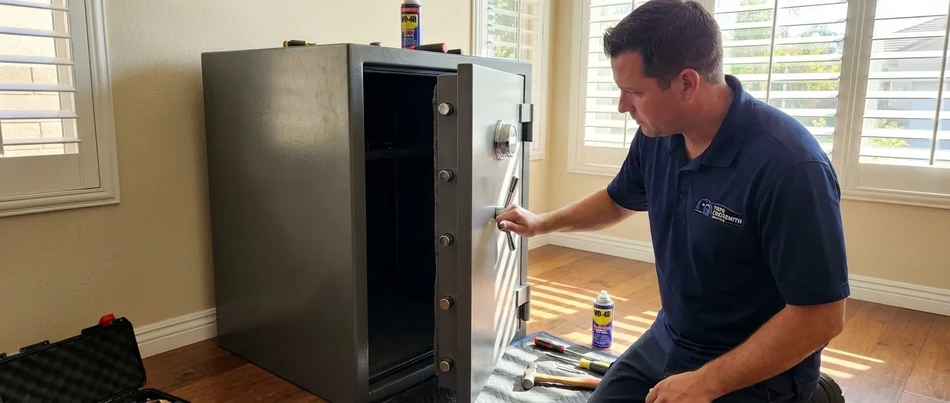
Types of Safe Lock Repair and Replacement
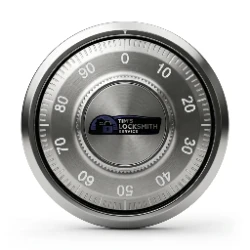
 Mechanical Dial. Group 2
Group 2 mechanical combination locks are the standard dial locks found on most residential and light commercial safes. They have a 3-number combination and a change key slot on the back of the lock for changing the combination.
Common issues include a gritty or stiff dial, a combination that "walks" (requires over-dialing or under-dialing to open), or a lever pack that fails to engage the bolt. We clean and lubricate the internal mechanism, adjust the lever pack, and replace worn drive pins and flywheels. If the lock body is cracked or the wheel pack is damaged beyond adjustment, we replace the entire lock with a new S&G, LaGard, or compatible Group 2 unit.
 Mechanical Dial. Group 1
Group 1 mechanical locks are UL-listed high-security dial locks found on commercial safes, vault doors, and jeweler safes. They have tighter manufacturing tolerances, manipulation-resistant features, and require a locksmith to change the combination (no external change key). Repairing a Group 1 lock requires precision work. Worn parts must be replaced with exact-spec components. We service S&G 6730, LaGard 3330, and similar Group 1 locks. If the lock needs replacement, we install a new UL Group 1 unit and verify it meets your insurance requirements.
 Electronic Keypad Lock
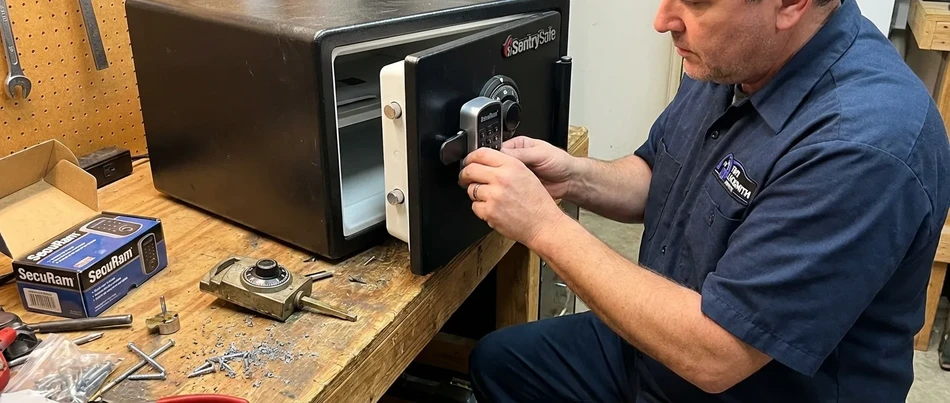
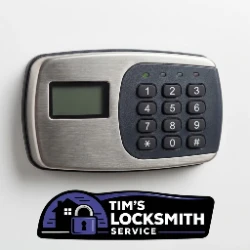
Electronic safe locks use a keypad for code entry and a solenoid or motor to retract the bolt. Common failures include dead batteries, worn keypad membranes, failed solenoids, and corrupted firmware. We start with battery replacement and code verification. If the keypad membrane is unresponsive, we replace the keypad assembly. If the solenoid has failed (you hear the beep pattern but the bolt does not move), we replace the solenoid or the entire lock body depending on the model. We work with S&G, LaGard, SecuRam, and Kaba Mas electronic locks.
 Lock Upgrade. Mechanical to Electronic
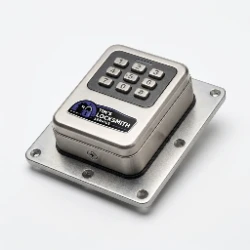
Upgrading from a mechanical dial to an electronic keypad is one of the most common safe lock jobs we do. The electronic lock mounts in the same footprint as the old dial lock using an adapter plate if needed. You gain faster entry, multiple user codes, wrong-try penalty lockout, and audit trail capability on supported models. We remove the old dial, mount the electronic lock, program your initial codes, and test the bolt engagement. The mechanical bolt work stays the same, only the lock head changes.
 Lock Upgrade. Electronic to Mechanical
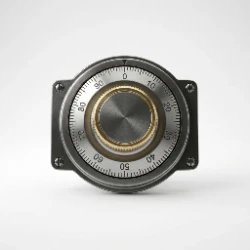
Some safe owners prefer to go back to a mechanical dial after repeated electronic failures, especially in harsh environments where heat or humidity damages electronics. We remove the electronic lock, install a Group 2 or Group 1 mechanical dial, set the combination, and verify smooth operation. This is common in garages, workshops, and coastal locations where electronics have a shorter lifespan.
 Bolt Work Repair
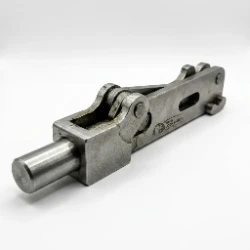
The bolt work is the system of bars and linkages that extend the locking bolts into the safe door frame when the handle is turned. Bolt work problems include bent bars, worn pivot points, broken springs, and bolts that do not fully extend or retract. We disassemble the door panel (if accessible), straighten or replace bent components, lubricate pivot points, and adjust the linkage so the bolts engage fully and the handle turns smoothly. Bolt work repair is often needed after a lockout drilling or a failed forced-entry attempt.
 Key-Operated Lock Repair and Replacement
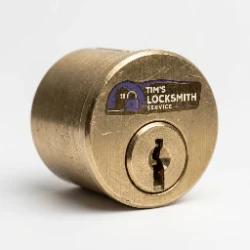
Some safes use a key lock as the primary lock or as a secondary lock alongside a dial or keypad. Key lock issues include worn wafers, broken keys stuck in the cylinder, and locks that turn but do not retract the bolt. We extract broken keys, repair or replace the cylinder, and cut new keys. If the key lock is a redundant lock (dual-control), we verify both the key lock and the primary lock work together before we leave.
 Relocker Diagnosis and Reset
Relockers are anti-tamper devices built into high-security safes. If the safe detects drilling, punching, or other forced entry, the relocker fires and locks the bolt work in place even if the combination lock is open. Relockers can also fire accidentally during a lock replacement if the locksmith is not careful. We diagnose which relocker(s) have fired, reset or replace the relocker mechanism, and restore normal bolt work operation. This is precision work that requires knowledge of the specific safe model and its relocker configuration.
Safe Lock Brands We Service
 Lock Manufacturers
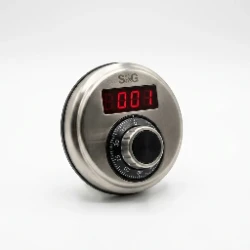
 Sargent & Greenleaf (S&G)
The most common safe lock brand in the US. Models include the 6730 (Group 1 mechanical), 6120 (Group 2 mechanical), 6120-305 Spy-Proof dial, Titan D-Drive (electronic), and the Spartan series. We stock S&G parts and replacement locks.
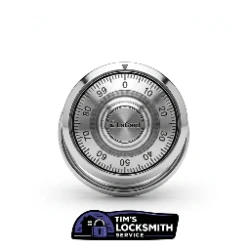
 LaGard / dormakaba
LaGard mechanical locks (3330 Group 1, LG Basic Group 2) and dormakaba electronic locks (Auditcon, ComboGard Pro) are found on commercial and high-end residential safes. We service all LaGard and dormakaba models including the Auditcon 2 Series with time delay and audit trail.
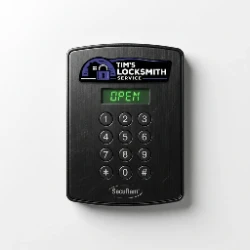
 SecuRam
SecuRam electronic locks are gaining market share with models like the ProLogic, SafeLogic, and the EcoLock budget line. Known for reliable solenoids and user-friendly keypad programming. We install and service all SecuRam models including the BackLit and TopLit series.
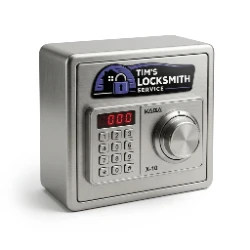
 Kaba Mas
Kaba Mas makes the Cencon and X-10 series locks used primarily on ATMs, commercial safes, and government containers. The X-10 is a high-security electronic lock with audit trail, dual control, and time delay. We service Kaba Mas locks for commercial clients.
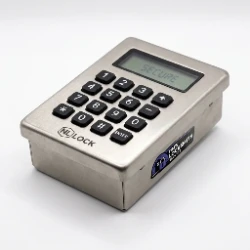
 NL Lock
NL Lock (Netherlands origin) makes affordable electronic safe locks including the SL200 and SL300 series. Common on mid-range residential safes. We repair and replace NL Lock models and can upgrade them to S&G or SecuRam if the owner wants a more feature-rich lock.
 Safe Manufacturers We Service
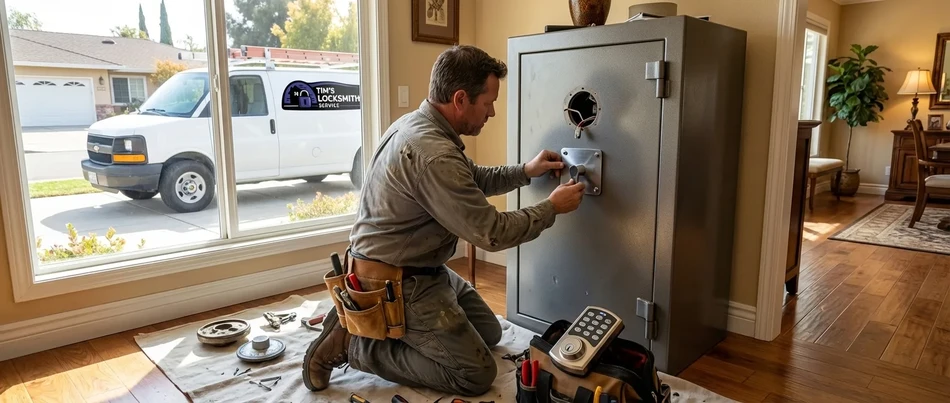
Commercial and Business Safe Locks
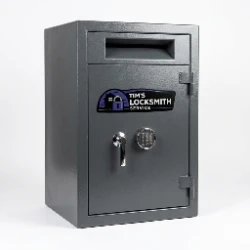
 Restaurant and Retail Drop Safes
Drop safes (also called depository safes) have a slot or drawer on top for cash drops and a combination-locked lower compartment. The lock on a drop safe gets heavy daily use and fails sooner than locks on safes that open once a week.
We repair and replace locks on B-rated and C-rated drop safes from AMSEC, Gardall, Hollon, and SentrySafe. If your drop safe lock is slow to open or requires multiple code entries, the solenoid is likely wearing out and should be replaced before it fails completely during a shift.
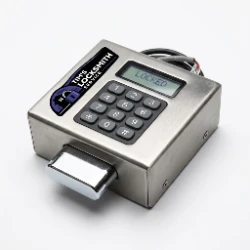
 Pharmacy Safes (DEA 21 CFR 1301.72)
Pharmacies storing Schedule II-V controlled substances must store them in a "substantially constructed, locked cabinet" per DEA regulation 21 CFR 1301.72. Many pharmacies use safes rather than cabinets for better security. The lock on a pharmacy safe must work reliably, a lockout during business hours means controlled substances are inaccessible until the lock is serviced. We provide same-day repair and replacement for pharmacy safe locks and carry backup locks for emergency swaps.
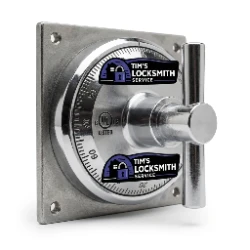
 Cannabis Dispensary Safes
California Department of Cannabis Control (DCC) regulations require licensed dispensaries to store cannabis and cannabis products in a locked safe or vault when the business is closed. The safe must have a UL-listed lock. We service safe locks for dispensaries across Ventura County, including combination changes when employees with access depart. We also install time-delay locks and dual-control locks that some local jurisdictions and insurance carriers require for cannabis businesses.
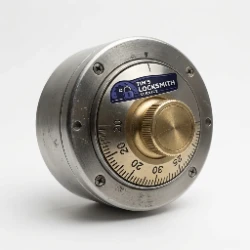
 Jewelry Store Safes
Jewelry stores typically use high-security safes with UL TL-15 or TL-30 ratings and Group 1 mechanical or high-security electronic locks. Jewelers Mutual and other jewelry insurance carriers often require specific lock types, UL ratings, and alarm integration. We service jewelry safe locks to manufacturer and insurance specifications. If your Jewelers Mutual policy specifies a Group 1 lock, we install and certify a Group 1 replacement.
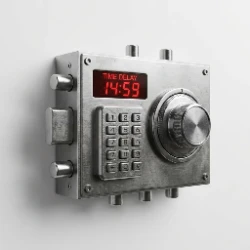
 Time-Delay and Audit Trail Locks
Time-delay locks require a programmed waiting period (typically 1-15 minutes) between entering the correct code and the bolt retracting. They are required by many insurance carriers for cash-handling businesses. Audit trail locks log every access event (who, when, success/failure) and can be downloaded for review. We install, program, and repair time-delay and audit trail locks from S&G, LaGard/dormakaba, SecuRam, and Kaba Mas. We configure delay periods, penalty lockouts, and user code hierarchies to match your insurance and operational requirements.
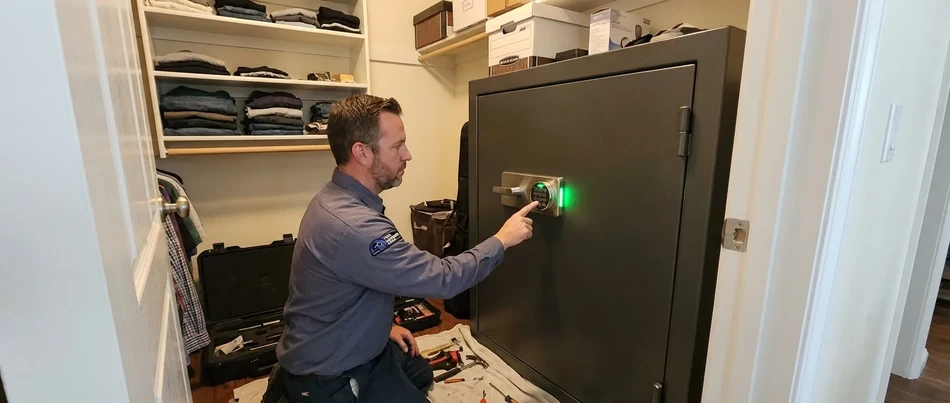
Safe Lock Care and Troubleshooting
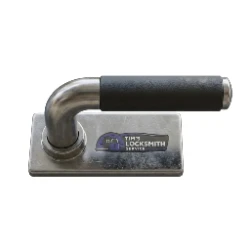
 Do NOT bang on the safe door or handle
Hitting the door can fire the relocker on high-security safes, turning a simple lock repair into a major job. It can also knock the bolt work out of alignment. If the safe will not open, stop and call a locksmith.
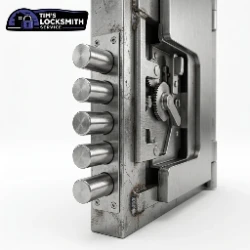
 Do NOT try to pry the door open
Prying damages the door edge, the frame, and the bolt work. Even if you get it open, the safe may not close and lock properly afterward. Pry damage also voids most safe warranties.
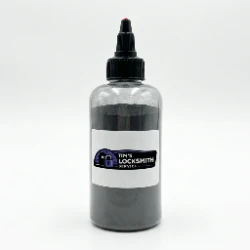
 Do NOT spray lubricant into the dial or keypad
Liquid lubricants (including WD-40, silicone spray, and penetrating oil) can gum up the wheel pack in a mechanical lock or short-circuit the electronics in a keypad lock. The only lubricant that belongs inside a mechanical safe lock is dry graphite powder, applied sparingly.
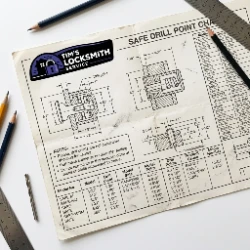
 Do NOT try to drill it yourself
Safe drilling requires knowledge of the specific safe model, its hard plate locations, relocker positions, and glass plate locations. Drilling in the wrong spot triggers relockers or damages the lock beyond repair. Professional safe technicians use drill point charts specific to each safe model.
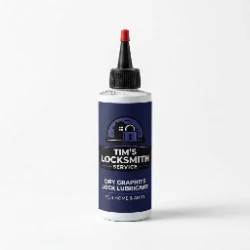
 Never Use WD-40 on a Safe Lock
Never use WD-40, silicone spray, penetrating oil, or any liquid lubricant inside a safe lock. WD-40 is a solvent and water displacer, not a lubricant. It evaporates and leaves a residue that attracts dust and grit. In a mechanical dial lock, this residue builds up between the wheels and the drive pin, causing the dial to feel gritty and eventually seize. In an electronic lock, liquid lubricant can short-circuit the keypad membrane or corrode the solenoid contacts. The only appropriate lubricant for a mechanical safe lock is a light application of dry graphite powder. Electronic locks should not be lubricated at all, they have no moving parts that benefit from lubrication except the bolt, which is part of the bolt work, not the lock.
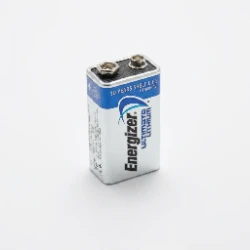
 Replace Batteries on Schedule
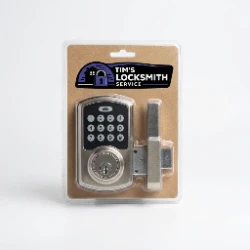
Most electronic safe locks use a 9V battery or 4 AA batteries. Replace them once a year whether they seem low or not. A dying battery can cause erratic behavior: the lock beeps and appears to accept the code, but the solenoid does not get enough voltage to fully retract the bolt. This is the most common electronic safe lock "failure" we see, and it is completely preventable. Set a calendar reminder. Heat accelerates battery drain. If your safe is in a garage, attic, or any space that exceeds 90 degrees Fahrenheit regularly, replace the batteries every 6 months. Heat also shortens the life of LCD display panels on locks that have them.
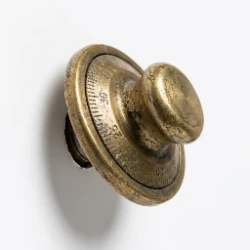
 Signs Your Mechanical Dial Lock Is Failing
- The dial feels gritty, rough, or catches at certain positions
- You have to over-dial or under-dial the combination by 1-2 numbers to get the safe open
- The dial spins freely without engaging the bolt (broken drive pin or cam)
- The dial wobbles or has noticeable side-to-side play
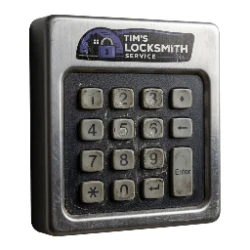
 Signs Your Electronic Lock Is Failing
- The keypad beeps and flashes correctly but the bolt does not retract (solenoid failure)
- The keypad is unresponsive to certain buttons or requires hard presses (membrane wear)
- The lock works intermittently or only after multiple code entries (wiring or battery contact issue)
 When to Repair vs. When to Replace
As a rule of thumb: if the repair cost exceeds 60-70% of the replacement cost, replace the lock. A new quality electronic safe lock (SecuRam or S&G entry-level) runs $150-250 installed. A new Group 2 mechanical dial runs $100-175 installed. If the repair estimate is approaching those numbers, a new lock gives you a full warranty and years of trouble-free operation instead of a patched-up mechanism that may fail again.
Ventura County Safe Lock Guide
 Coastal Corrosion and Safe Locks
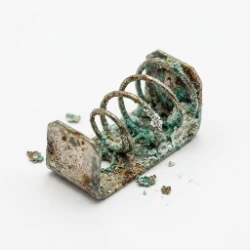
Salt air corrodes safe lock components just like it corrodes door locks, but the effects are harder to see because the lock is inside the safe door. Mechanical dial locks in coastal homes develop internal corrosion on the wheel pack and lever nose, causing the combination to drift and the dial to feel rough. Electronic locks suffer from corroded battery contacts, oxidized keypad membrane traces, and pitted solenoid plungers.
For mechanical locks in coastal environments, schedule a cleaning and lubrication (dry graphite only) every 2-3 years. For electronic locks, inspect the battery compartment every 6 months for green or white corrosion on the contacts. Clean corroded contacts with a pencil eraser or fine sandpaper before installing fresh batteries. If you are buying a new safe for a coastal home, consider a safe with an interior-mounted lock body (lock mechanism inside the door, not exposed to the room air) for better protection.
 Inland Garage Heat and Safe Locks
Many safe owners in Simi Valley, Moorpark, and the inland valleys keep safes in the garage. Summer temperatures in an un-air-conditioned garage regularly exceed 110-120 degrees Fahrenheit. This heat kills batteries faster, degrades LCD displays, and can cause thermal expansion issues in electronic lock bodies.
If your safe is in a hot garage, replace batteries every 6 months (not annually). Avoid locks with LCD displays for garage installations. LED indicator lights tolerate heat better. If the electronic lock starts behaving erratically only on hot days and works fine in the morning, heat is almost certainly the cause. Consider relocating the safe to an interior closet or climate-controlled room if possible.
 Earthquake and Safe Placement
An unsecured safe can tip over or shift during an earthquake, damaging the bolt work, shearing the handle, or jamming the door against a wall. A safe that falls face-down may be impossible to open without heavy equipment to flip it back upright.
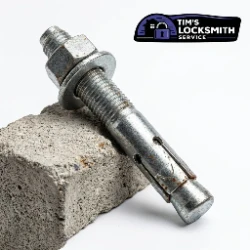
Bolt your safe to the floor using the anchor holes provided by the manufacturer. Most safes have 2-4 pre-drilled holes in the bottom. Use 3/8-inch or 1/2-inch concrete anchors for slab floors, or lag bolts into floor joists for raised wood floors. After any earthquake that you can feel, test your safe by opening and closing it. Check that the bolt work extends and retracts fully and that the handle turns smoothly. If anything binds, call us before the problem gets worse.
 Wildfire Zones and Fire-Rated Safes
Parts of Ventura County are in high-fire-severity zones. A fire-rated safe protects contents from heat damage, but the safe lock itself can be damaged by extreme external temperatures even when the interior stays cool. After a structure fire, the lock may not function even though the contents survived.
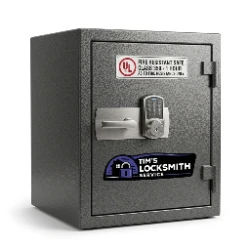
Fire ratings are tested to UL 72 standards. A 1-hour fire rating (most common for residential safes) means the interior stays below 350 degrees F for one hour in a 1700-degree fire. The lock is on the outside of the door and is not protected by the fire rating. After a fire, do not attempt to open the safe yourself. The lock mechanism may be heat-damaged and forcing it can fire relockers or jam the bolt work. Call us for a professional post-fire safe opening. We assess the lock damage, open the safe without further damage to the contents, and replace the lock afterward.
Safe Lock Repair and Replacement Pricing
 Basic Repairs
Battery replacement, keypad membrane swap, dial cleaning and lubrication, combination reset, and minor bolt work adjustments.
 Electronic Keypad Replacement
Full electronic lock replacement including lock body, keypad, solenoid, wiring, and user code programming. Price depends on brand and features (basic vs. audit trail vs. time delay).
 Full Mechanical Lock Replacement
Group 2 or Group 1 mechanical dial lock replacement including lock body, dial ring, and combination setting. Group 1 locks cost more due to higher manufacturing tolerances and UL listing.
 Lock Upgrades (Mech to Electronic or Reverse)
Removing one lock type and installing a different type. Includes adapter plate if needed, wiring, programming, and full testing.
Every quote includes labor, parts, and testing. Call (805) 765-3717 for an exact price based on your safe model and lock type.
Why Choose Us
Six reasons Ventura County customers call Tim's for safe lock repair and replacement work: Licensed and Insured, Same-Day Service, All Major Safe Lock Brands, Upfront Pricing, Non-Destructive First, and Residential and Commercial.

Licensed and Insured
California BSIS licensed (LCO#7134) and insured through State Farm. Your safe and its contents are protected during every service call.

Same-Day Service
We arrive the same day you call with safe lock tools and replacement locks on the van. Most repairs and replacements are completed in a single visit.

All Major Safe Lock Brands
We service S&G, LaGard/dormakaba, SecuRam, Kaba Mas, NL Lock, and aftermarket locks. Mechanical dials and electronic keypads.

Upfront Pricing
We quote the full cost before we start. The price we quote is the price you pay. No add-ons, no surprises after the safe is open.
Non-Destructive First
We always attempt non-destructive repair before recommending replacement. If the lock can be fixed, we fix it. If it needs replacement, we explain why and give you options.
Residential and Commercial
Home safes, gun safes, commercial drop safes, pharmacy safes, vault doors. We handle all of it with the same level of care and professionalism.
What Our Customers Say
Here is what a few Ventura County customers said after we handled their safe lock repair and replacement.
"The electronic keypad on our home safe stopped responding to any code. Tim came out the same afternoon, diagnosed a dead solenoid, and replaced the entire lock with a SecuRam unit. Programmed our codes, tested it a dozen times, and was done in about an hour. Fair price and no pressure to buy anything we did not need."
"We had a 30-year-old Mosler safe with a mechanical dial that was getting harder and harder to open. Tim cleaned and lubricated the wheel pack and adjusted the lever nose. The dial spins smooth as new. He also showed us how to operate it properly so we do not wear it out again. Very knowledgeable."
"Our gun safe in the garage had a keypad lock that kept failing in the summer heat. Tim replaced it with a better-quality electronic lock and recommended we change the batteries every six months because of the garage temperatures. Safe has been working perfectly since. Wish I had called sooner instead of fighting with it for a year."
 Serving All of Ventura County
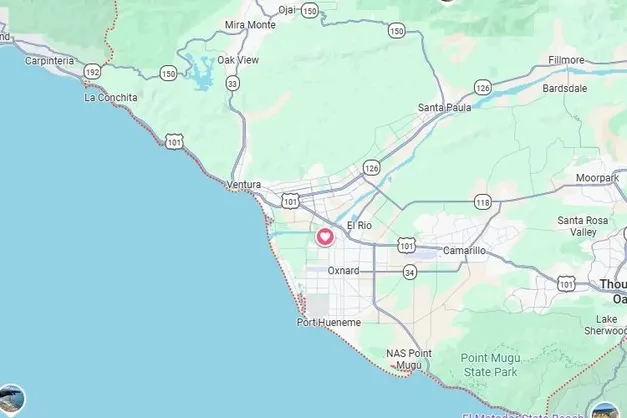
We bring safe lock repair and replacement to every city we cover in Ventura County, from Oxnard to Westlake Village.
Frequently Asked Questions
Related Safe Services
If you need more than safe lock repair and replacement, we also handle safe opening, combination changes, and electronic safe programming across Ventura County.
Safe Opening
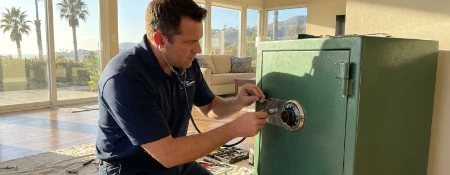
Locked out of your safe? We open safes using non-destructive methods whenever possible. Dial safes, electronic safes, gun safes, fire safes, and floor safes. If drilling is needed, we repair the safe after entry.
View Service
Combination Changes
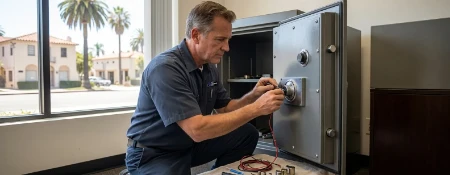
Changed employees? New owner? We change dial combinations and reset electronic keypad codes on-site. Your old combination stops working immediately and the new one is set to whatever you choose.
View Service
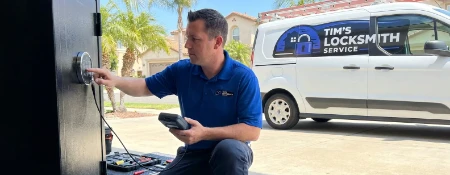
Electronic Safe Programming
We program and reprogram electronic safe locks including audit trail setup, time delay configuration, multiple user codes, and manager override codes. We work with all major electronic safe lock brands.
View Service
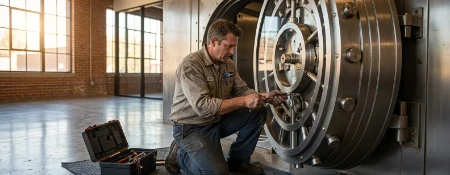
Vault Lock Services
Vault doors, vault rooms, and bank-grade safes serviced on-site. We handle vault lock maintenance, combination changes, lock upgrades, and emergency vault openings for businesses across Ventura County.
View Service
Explore Our Other Services
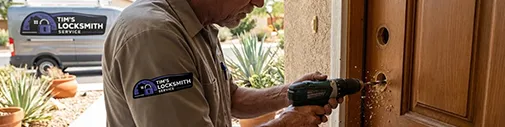
Residential Locksmith
Complete home locksmith services including lock installation, repair, rekeying, and smart lock setup, done at your door.
View Residential Services
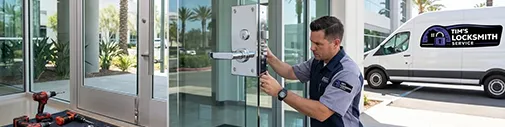
Commercial Locksmith
Business locksmith services including access control, master key systems, high-security locks, and panic hardware.
View Commercial Services
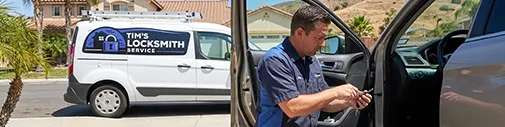
Automotive Locksmith
Car key cutting, programming, fob replacement, and ignition repair for most makes and models. We come to your vehicle.
View Automotive Services
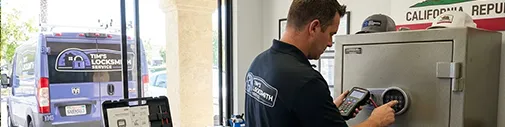
Safe Locksmith
Safe opening, combination changes, lock repair, and electronic safe programming for home and office safes. On-site service.
View Safe Services
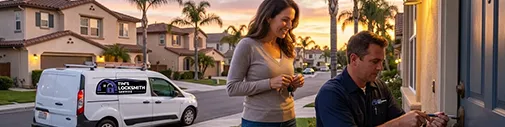
Emergency Locksmith
Fast response for home, car, and business lockouts, break-in repairs, and urgent lock needs. We come to you, usually same day.
View Emergency Services
Need Safe Lock Repair or Replacement?
Need safe lock repair or replacement? Call (805) 765-3717 for a free estimate. We come to you anywhere in Ventura County with safe lock tools and replacement locks on the van.
 Open Daily
 Mobile service across Ventura County