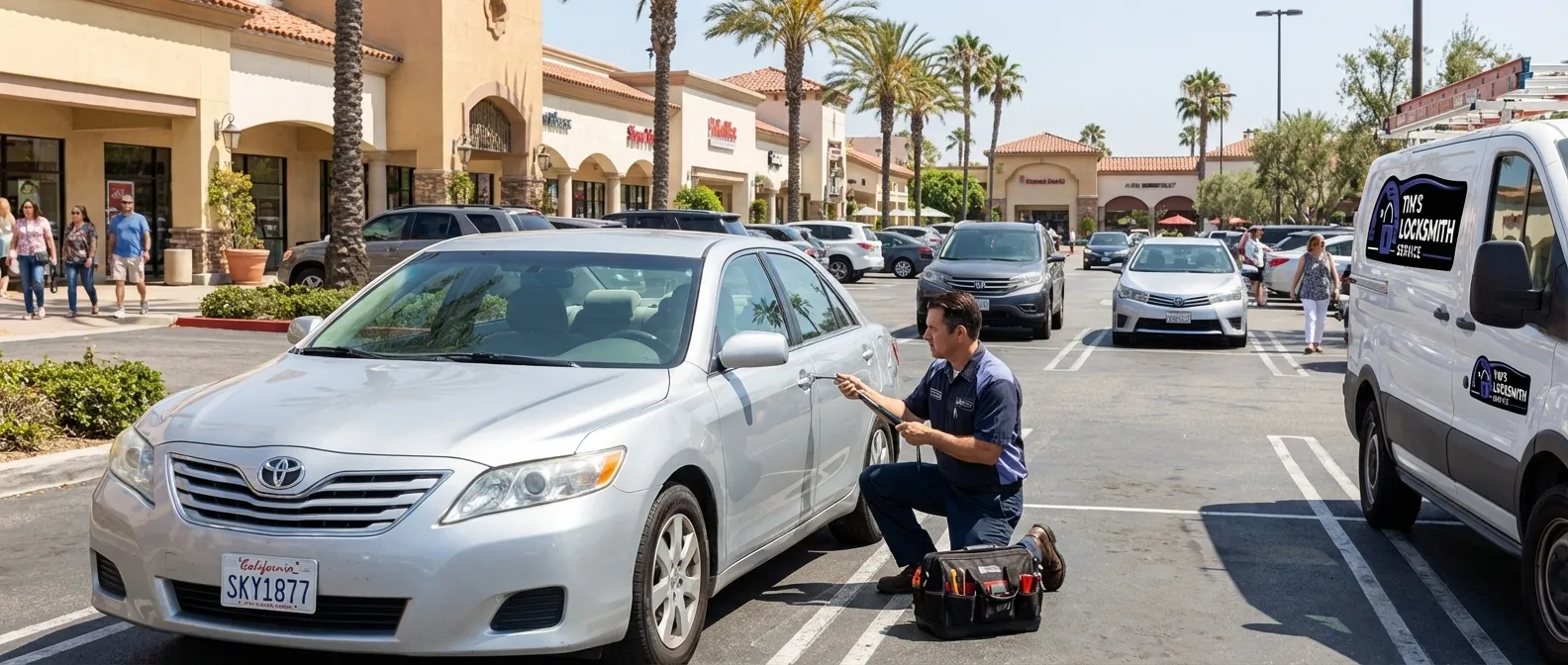

Safe Opening in Ventura County
Expert safe opening for Ventura County homes and businesses. Dial, electronic, and key-operated safes opened on-site. Non-destructive entry whenever possible.
 Call (805) 765-3717
 Text for Quote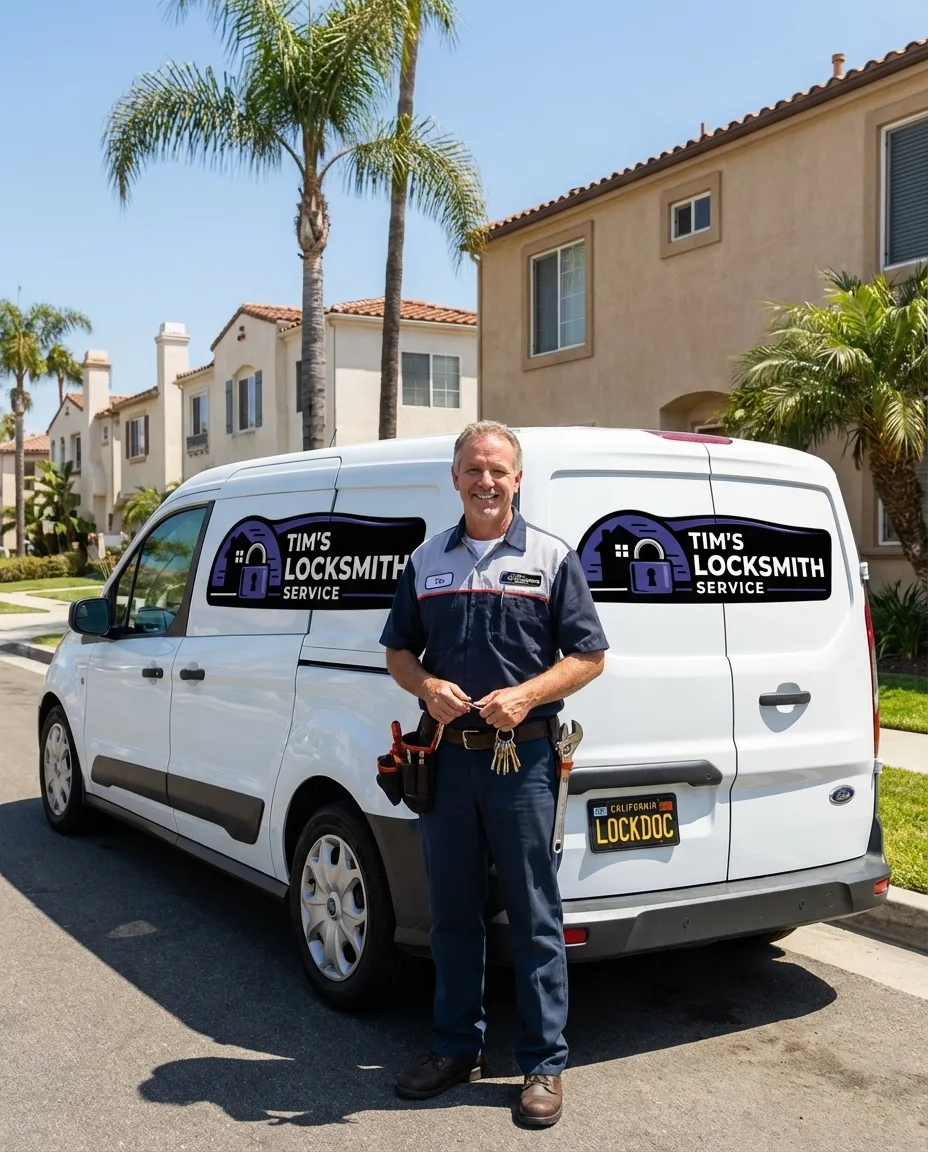
Professional Safe Opening Service
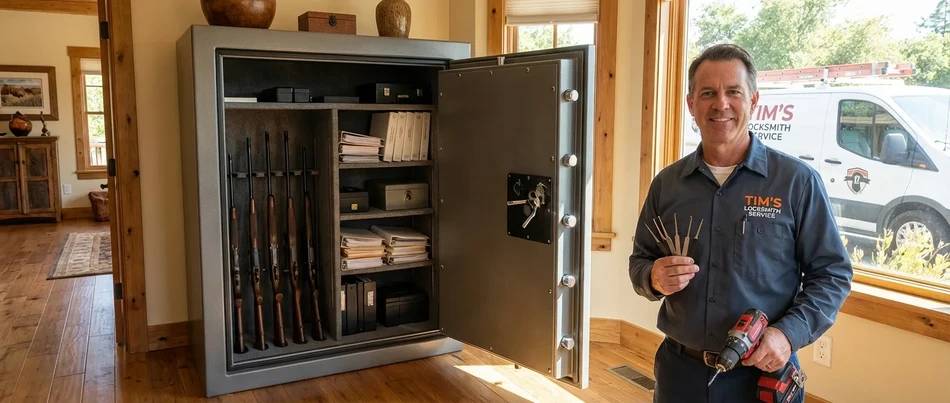
Locked out of your safe? Whether you forgot the combination, the batteries died on your electronic lock, or you inherited a safe with no code, we open it. We work on every type of safe: dial combination, electronic keypad, key-operated, gun safes, floor safes, wall safes, and commercial depository units. Brands we see regularly include SentrySafe, Liberty, Fort Knox, Cannon, Browning, AMSEC, Gardall, Hollon, Diebold, and Barska.
Non-Destructive Opening First
Every major lock type is covered. Group 1 and Group 2 mechanical dial locks, S&G and SecuRam electronic locks, tubular key locks, wafer key locks, and redundant lock systems that combine a dial or keypad with a key override. We bring the right tools for every scenario and always start with non-destructive methods before considering drilling. Same-day service across Ventura County with upfront pricing on every call.
What's Included
Every safe opening visit in Ventura County covers non-destructive opening attempted first on every job, combination reset or new code programming after opening, and battery replacement and electronic lock testing; the full checklist is below.
 Non-destructive opening attempted first on every job
- Drilling and lock replacement when non-destructive methods are not possible
- Combination reset or new code programming after opening
- Battery replacement and electronic lock testing
- Bolt work inspection and lubrication after entry
- Full open/close verification before we leave
How It Works
Getting safe opening done in Ventura County takes three steps: call or text us, we assess and open, and reset and verify.

Call or Text Us
Describe the safe type, brand, and what happened. We give you an upfront price and a same-day appointment window. Call (805) 765-3717.

We Assess and Open
We inspect the safe in person, identify the lock type, and start with non-destructive methods. If drilling is needed, we explain the process and cost before we start.

Reset and Verify
After opening, we reset the combination or program a new code, replace the battery if needed, and test the lock multiple times to make sure everything works before we leave.
Common Reasons People Need Safe Opening
 Forgotten Combination
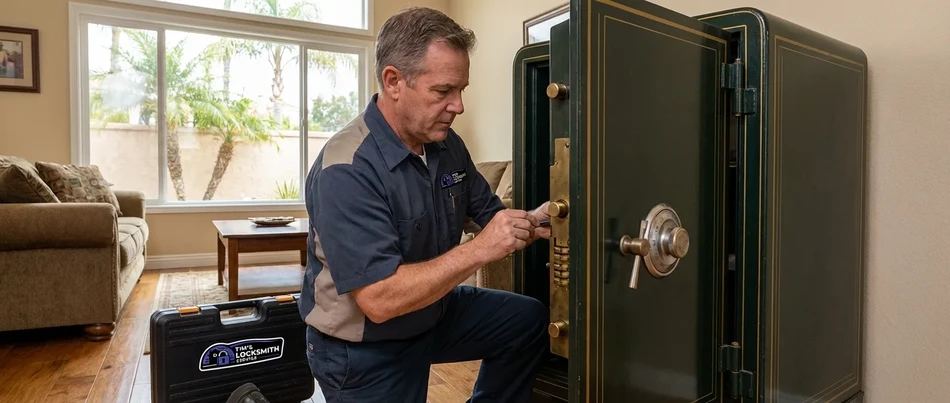
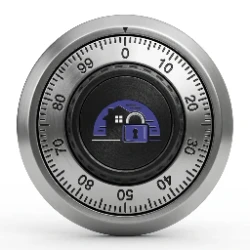
The most common reason we open safes. Mechanical dial combinations have three or four numbers that must be dialed in a precise sequence.
If you have not opened the safe in months or years, the combination can slip from memory. Electronic keypads are easier to remember but still get forgotten, especially backup codes that were set once and never used again. We can open the safe and set a new combination you choose.
 Dead Batteries
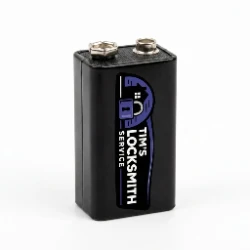
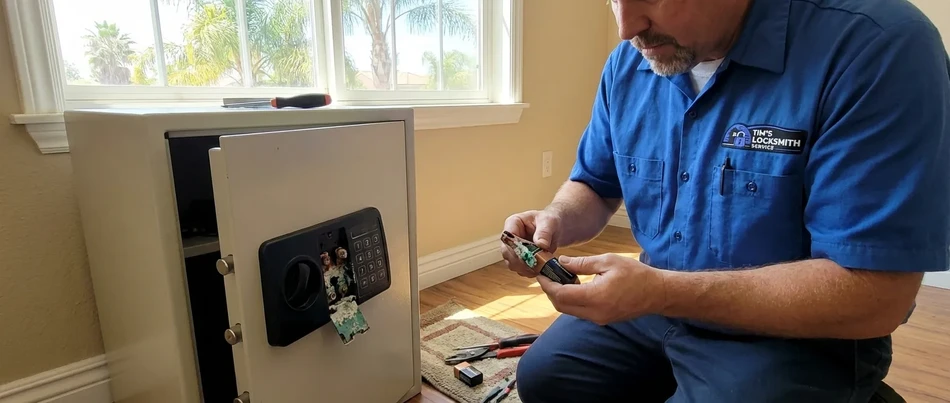
Electronic safe locks run on a 9-volt battery or AA batteries stored behind the keypad. When the battery dies, the keypad goes dark and the safe will not open even if you enter the correct code. Some locks have an external battery contact point that lets you jump-start the lock with a fresh 9V held against the contacts. If that does not work or the battery contacts are corroded, we open the safe, replace the battery, and clean the contacts.
 Inherited or Estate Safe
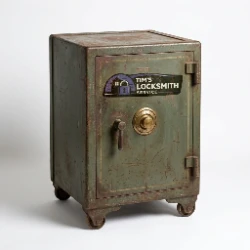
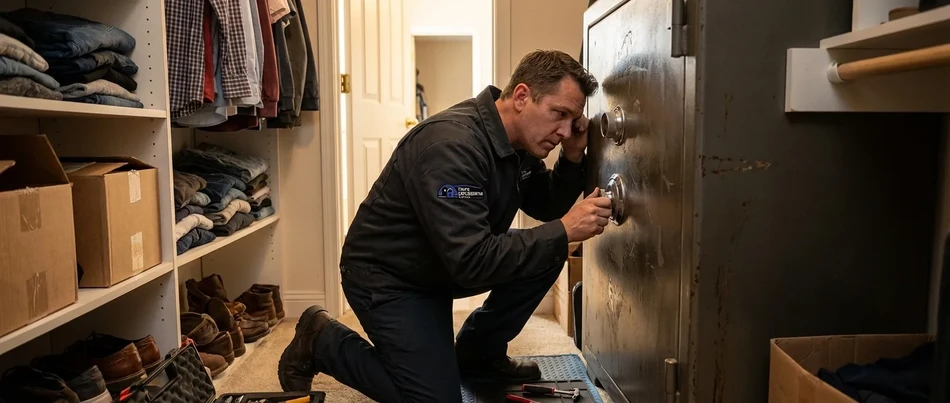
You moved into a new home, a family member passed away, or you bought a property with a safe bolted to the floor. Nobody knows the combination. The previous owner left no documentation. We open inherited safes regularly. Once open, we reset the combination to your chosen code and make sure you have full working access going forward.
 Lock Malfunction
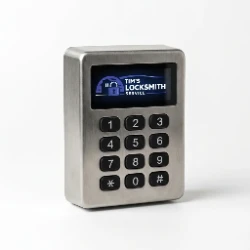
Mechanical dials wear out over time. The wheels develop flat spots, the fence drops inconsistently, and the lever nose loses its edge. Electronic locks develop solenoid failures, corroded battery contacts, or failed keypad membranes. In both cases, the correct combination or code no longer opens the safe. We diagnose the failure, open the safe, and either repair or replace the lock.
 Electronic Lockout Penalty
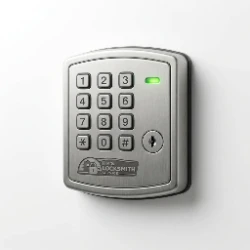
Most electronic safe locks impose a penalty lockout after 3 to 5 consecutive wrong code entries. The lockout period ranges from 5 minutes to 30 minutes depending on the brand. On some models, continued wrong entries during the penalty period extend the lockout or escalate to a permanent lockout requiring a factory reset. If you are locked out from wrong tries, wait for the penalty to expire or call us for recovery.
 Employee Turnover
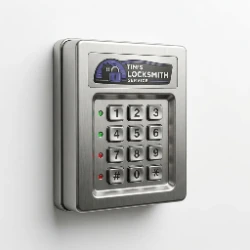
An employee with the only combination left the company and did not share the code. This is especially common with drop safes and cash-handling safes in restaurants and retail stores. We open the safe, delete the old codes, and program new ones for your current team. We can also set up manager and user codes so this situation does not happen again.
 New Home With Bolted Safe
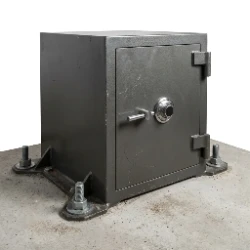
The previous homeowner left a safe bolted to the closet floor or garage slab. It might be empty, or it might contain documents, valuables, or firearms. Either way, you need it opened. Removing a bolted safe without opening it first is difficult and risks damaging the floor. We open it on-site, and if you want it removed afterward, we can advise on the best approach.
 Fire or Water Damage
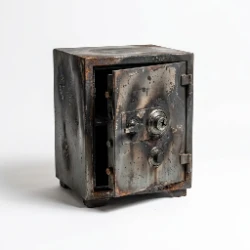
After a house fire, the heat can warp safe door frames, expand bolt work, and damage lock components even if the safe did its job protecting the contents. After flooding, water intrusion can rust bolt work and corrode electronic locks. In both cases, the safe may be structurally intact but impossible to open normally. We handle fire-damaged and water-damaged safes with techniques adapted to the specific type of damage.
Types of Safes We Open
 Dial Combination Safes
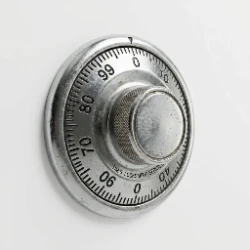
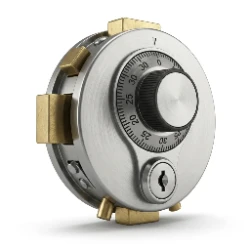
Mechanical dial safes use a combination lock with a rotating dial connected to a wheel pack inside the door. Group 2 locks (standard residential and light commercial) have 3 wheels and 100-number dials.
Group 1 locks (high-security commercial) have 3 or 4 wheels with tighter tolerances that resist manipulation. We open Group 2 safes through manipulation when possible, this means reading the lock through careful dial rotation without any drilling. Group 1 locks have tolerances tight enough that manipulation takes significantly longer or may not be practical, so drilling is more common. After opening, we can reset the combination or replace the lock entirely.
 Electronic Keypad Safes
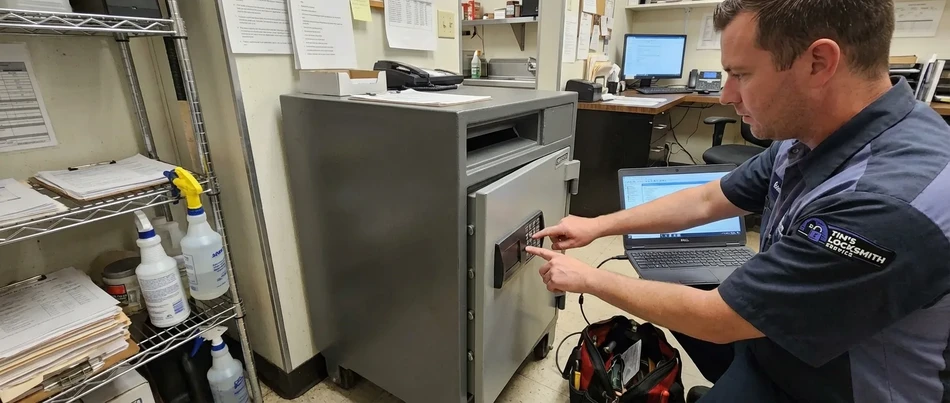
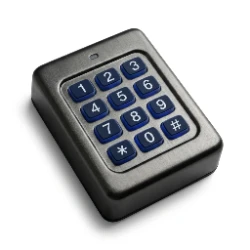
Electronic safes use a battery-powered keypad connected to a solenoid or motor that retracts a bolt when the correct code is entered. Common brands include S&G, SecuRam, LaGard/dormakaba, and AMSEC ESL. Most failures are battery-related: dead battery, corroded contacts, or a weak battery that powers the keypad but cannot drive the solenoid. Other failures include keypad membrane failure, solenoid burnout, and code corruption after power interruptions. We carry batteries and common replacement components in the van.
 Gun Safes
Gun safes range from entry-level steel cabinets with wafer key locks to 1000-pound TL-rated vaults with Group 1 dial locks. SentrySafe and Stack-On gun cabinets use simple tubular or wafer key locks that we can pick or decode quickly. Liberty, Cannon, and Browning mid-range gun safes typically use SecuRam or S&G electronic locks. Fort Knox and AMSEC high-end gun safes may use Group 1 mechanical dials or S&G Titan electronic locks. Each brand has known failure patterns we are familiar with: Liberty safes commonly have battery contact corrosion, Cannon safes sometimes develop bolt work binding, and SentrySafe gun cabinets are known for thin-gauge steel that can warp.
 Floor Safes
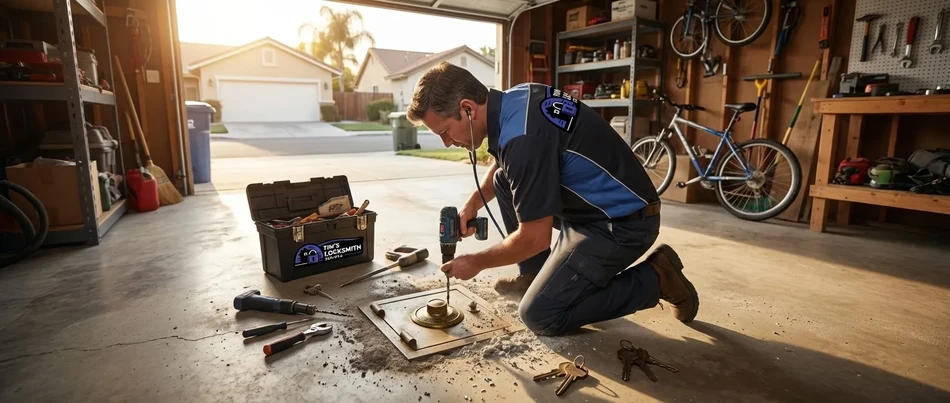
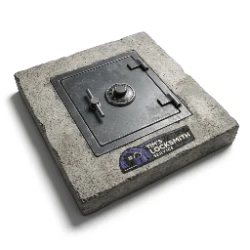
Floor safes are set into a concrete slab with only the door and dial or keypad visible at floor level. Opening a floor safe presents unique challenges: the lock is oriented horizontally instead of vertically, access is limited by the surrounding concrete, and debris from the floor can fall into the lock cavity during opening. If drilling is needed on a floor safe, the angle and limited clearance require specialized short-length drill bits and borescope cameras. After opening, we clean out any debris that entered the safe during the process.
 Wall Safes
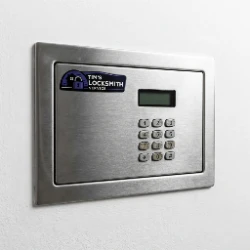
Wall safes are recessed into wall studs, typically in a closet or behind furniture. They are usually smaller safes with electronic keypads or simple key locks. The main challenge with wall safes is limited access, you cannot move the safe to work on it from a better angle, and the door swings outward in whatever space is available. We work within the space constraints and avoid damage to surrounding drywall.
 Commercial Depository Safes
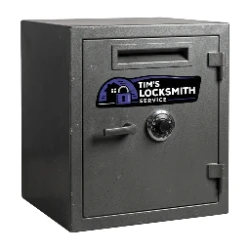
Drop safes and depository safes have a slot or drawer on top for depositing cash and a locked compartment below. Restaurants, retail stores, and gas stations use these for nightly cash drops. The deposit mechanism may work even when the main compartment is locked out. These safes commonly use electronic locks with multiple user codes, time delay features, and wrong-try lockout penalties. We open the locked compartment, reprogram the user codes, and verify the deposit mechanism still functions correctly.
 TL-Rated and High-Security Safes
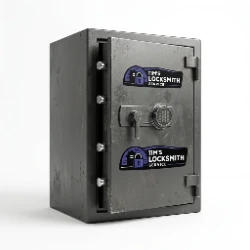
TL-15 and TL-30 safes are rated by UL to resist tool attack for 15 or 30 minutes respectively. They use hardened steel plates, concrete-filled walls, re-lockers (glass plates or spring-loaded pins that jam the bolt work if the lock is attacked), and Group 1 combination locks. Opening a TL-rated safe requires precision. Re-lockers must be defeated without triggering additional ones. Drilling must go through exact points determined by the safe model and lock position. We research the specific safe model and lock configuration before starting work on any TL-rated safe.
 Data and Media Safes
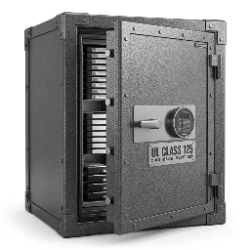
Data safes protect electronic media (hard drives, backup tapes, USB drives) from fire and humidity. They are rated by UL under Class 125, meaning the interior temperature stays below 125 degrees Fahrenheit and humidity stays below 80% during a fire. Data safes have thick insulation between the outer and inner walls that can make drilling more time-consuming. The insulation material varies by manufacturer, some use gypsum board, others use perlite or ceramic fiber. We account for the insulation type and thickness when planning a drill point to avoid damaging the protected media inside.
 Key-Operated Safes
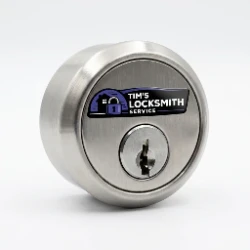
Some safes use a key lock instead of or in addition to a combination lock. Tubular key locks are common on SentrySafe fire safes and small cash boxes. Wafer key locks appear on older filing cabinet safes and key cabinets. High-security key locks like Medeco or ASSA are found on some commercial safes as a secondary lock alongside a combination dial. We can pick most tubular and wafer safe keys. For high-security key locks, we use other entry methods or create a key from the lock after opening.
Non-Destructive vs Drilling
Non-Destructive Opening
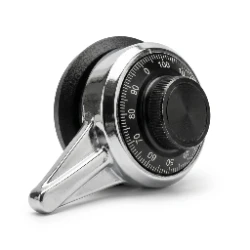
We always start with non-destructive methods. Manipulation, bypass techniques, key decoding, and electronic recovery tools let us open many safes without leaving a mark. The safe stays intact, the lock stays functional, and the only cost is the service call.
 When Drilling Is Necessary
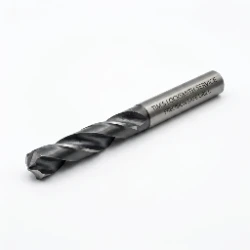
Drilling becomes the right approach when non-destructive methods are not practical or would take an unreasonable amount of time. The four most common drilling scenarios:
- Group 1 high-security dial locks that resist manipulation due to tight tolerances and false gates
- Electronic locks with failed solenoids or motors that cannot be bypassed through the keypad
- Safes with triggered re-lockers that have jammed the bolt work in the locked position
- Fire-damaged or water-damaged safes where the door frame or bolt work is warped beyond normal operation
 What Drilling Actually Looks Like
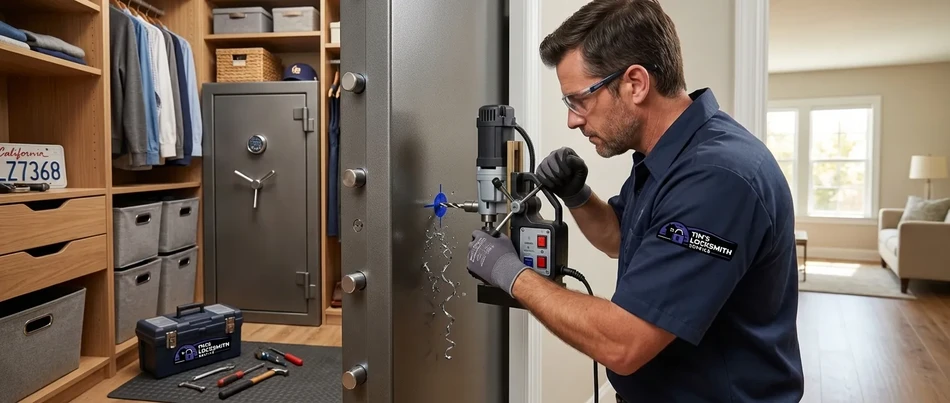
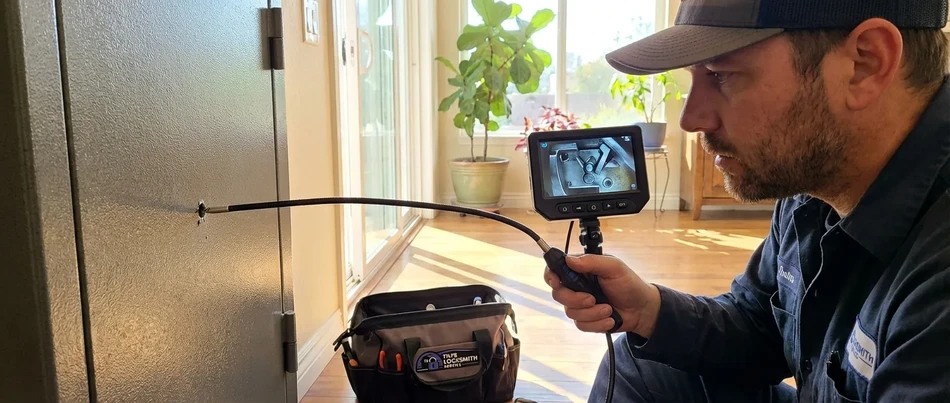
Drilling is not random or destructive. We identify the exact drill point based on the safe model, lock brand, and lock position. The hole is typically 1/4 inch in diameter. We drill through the door at a precise angle to reach a specific point on the lock mechanism. Once through, we insert a borescope (a tiny camera on a flexible cable) to see inside the lock. Using the borescope view, we can read the combination wheels, release the bolt work, or defeat a re-locker. After opening, we plug the drill hole, replace the lock if needed, and restore the safe to full working condition. The repair is clean and the safe remains usable.
Brands We Work With
 SentrySafe
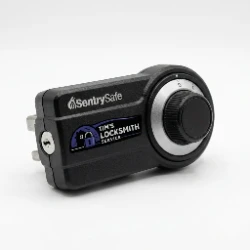
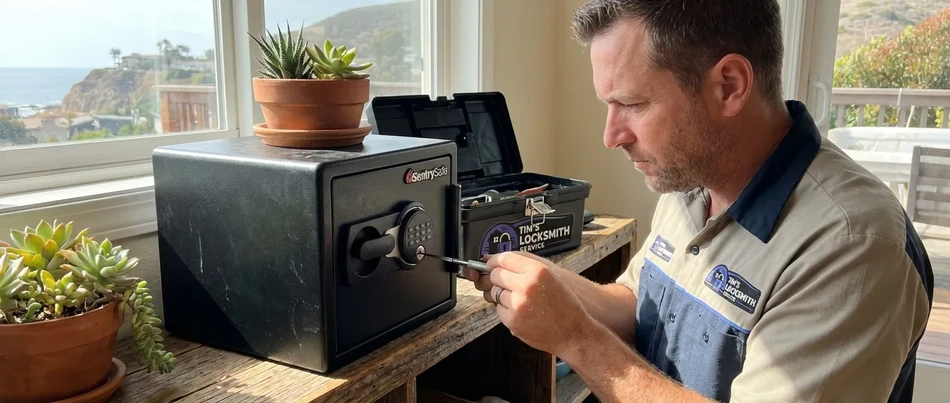
The most common residential safe brand. SentrySafe fire safes and file safes use proprietary electronic locks and tubular key backups. Known failure patterns: dead 9V battery with no external jump contacts on older models, keypad membrane failure from humidity exposure, tubular key lock jams from debris. Most SentrySafe openings are non-destructive because the lock mechanisms are simpler than commercial-grade hardware.
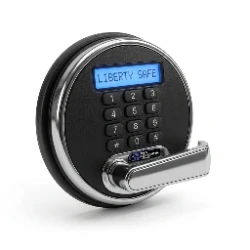
 Liberty
Popular mid-range to high-end gun safes. Liberty uses SecuRam electronic locks on most current models, with S&G available on premium lines. Known failure patterns: battery contact corrosion (especially in coastal and humid climates), SecuRam solenoid failure on older models, bolt work binding on larger safes after the safe settles on its foundation. Liberty safes have a backdoor reset feature through an authorized dealer network.
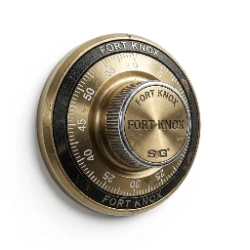
 Fort Knox
American-made gun safes with heavier steel gauge than most competitors. Fort Knox uses S&G mechanical dials and SecuRam electronic locks. Known failure patterns: the heavier doors can develop hinge sag over time that puts the bolt work slightly out of alignment. The S&G dial locks on older Fort Knox safes sometimes develop sticky wheel packs from dried lubricant. These safes are well-built and rarely need drilling for lock failures.
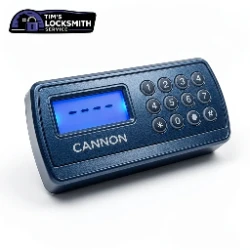
 Cannon
Budget to mid-range gun safes sold through big-box retailers. Cannon uses basic electronic locks on entry-level models and SecuRam on mid-range models. Known failure patterns: thin-gauge steel doors that can flex slightly under their own weight, electronic lock failures from cheap battery contacts, and bolt work that binds if the safe is placed on an uneven surface. Most Cannon safe openings involve electronic lock bypass or simple drilling.
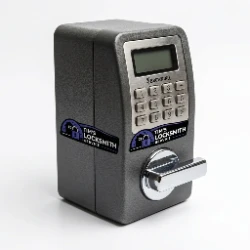
 Browning
Mid-range to premium gun safes with fire protection. Browning uses SecuRam electronic locks on most models and S&G on their ProSteel series. Known failure patterns: occasional SecuRam solenoid failures, battery compartment corrosion in garages and outbuildings, and handle mechanism wear on larger models with heavy doors. The fire insulation on Browning safes is thicker than average, which affects drill point planning.
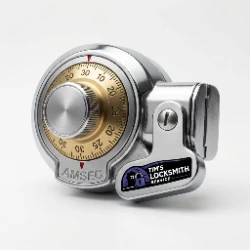
 AMSEC
AMSEC
Commercial-grade safes and high-end residential models. AMSEC uses their own ESL electronic locks and S&G mechanical dials. Known failure patterns: ESL electronic locks can develop solenoid fatigue after years of commercial use, Group 1 mechanical dials on TL-rated AMSEC safes require precise manipulation or planned drilling. AMSEC safes with glass re-lockers require careful approach to avoid triggering additional security mechanisms during opening.
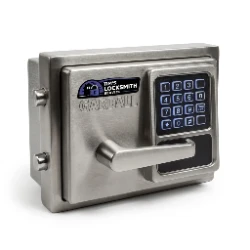
 Gardall
Commercial safes and burglary-rated residential models. Gardall uses LaGard/dormakaba electronic locks and mechanical dials. Known failure patterns: LaGard electronic locks have older-generation keypads that develop membrane failures, Gardall floor safes sometimes accumulate condensation that corrodes the lock body, and the concrete composite used in some Gardall burglary safes is harder to drill through than steel alone.
Hollon
Office safes, depository safes, and data/media safes. Hollon uses S&G and SecuRam electronic locks. Known failure patterns: depository slot mechanisms can jam and prevent the main lock from retracting, Hollon data safes have thick ceramic-fiber insulation that slows drilling, and some Hollon models use spring-loaded re-lockers in addition to glass re-lockers. Most Hollon electronic lock failures respond to battery replacement or solenoid bypass.
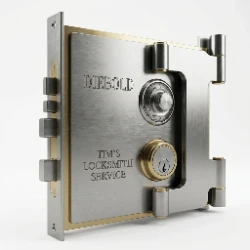
Diebold
Commercial and bank-grade safes and vault doors. Diebold is one of the oldest safe manufacturers in the US. Known failure patterns: older Diebold vault doors use mechanical time locks that can fail from worn movements or dead mainsprings, Diebold commercial safes often have multiple re-lockers (glass and spring-loaded), and some Diebold models have unique bolt work configurations that require model-specific opening procedures. We research the exact Diebold model before starting work.
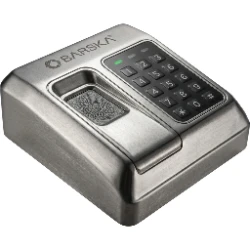
Barska
Budget biometric (fingerprint) safes and small electronic safes. Barska safes are popular for nightstand and closet use. Known failure patterns: the fingerprint reader stops recognizing enrolled prints after 1-2 years, electronic lock circuitry fails from humidity, and the key backup lock uses a simple tubular key that is easy to pick. Most Barska safe openings are quick because the lock mechanisms are entry-level. We can open most Barska safes non-destructively.
Coastal and Humidity Damage
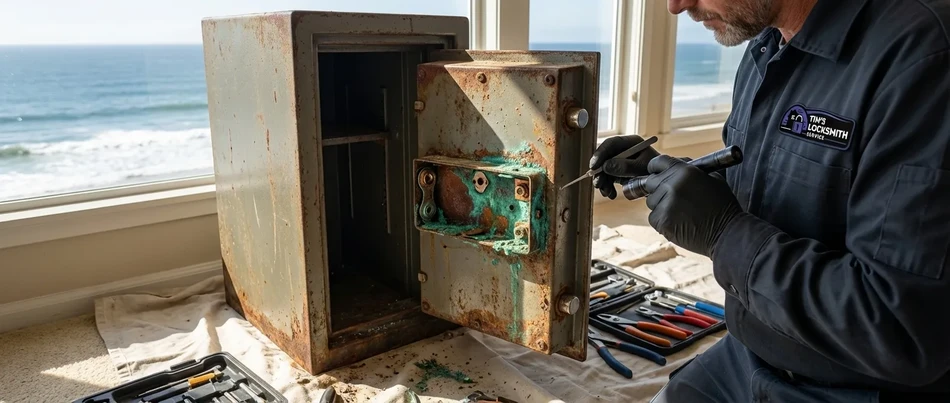
Safes in coastal homes across Ventura County face constant exposure to salt-laden air, even indoors. The salt accelerates corrosion on every metal component of a safe lock system. We see more lock failures in coastal homes than any other environment.
 How Salt Air Affects Your Safe
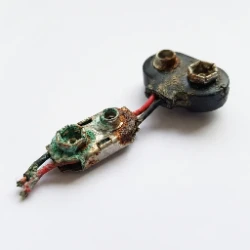 Battery contacts corrode faster. Green and white oxidation builds up on the 9V snap connector or AA battery springs, creating resistance that weakens the electrical connection. The lock may have enough power to light up the keypad but not enough to drive the solenoid that retracts the bolt.
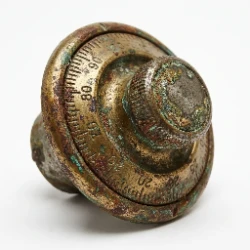 Mechanical dial components develop surface corrosion. The wheel pack bearings lose their smooth rotation, the combination feels gritty when you turn the dial, and the tolerances shift enough that a combination that worked last month may not work today.
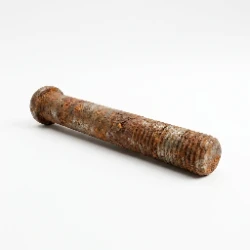 Bolt work and hinges develop rust spots. The bolt rods that extend into the door frame can develop surface corrosion that increases friction. Over time, the bolts may not fully extend or retract, even when the lock opens correctly.
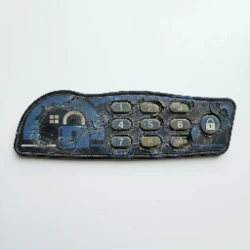 Electronic keypad membranes deteriorate. Salt air attacks the thin conductive traces inside membrane keypads. Individual buttons stop registering, the keypad becomes intermittent, and eventually the lock cannot receive a valid code entry.
 Maintenance Tips for Coastal Safes
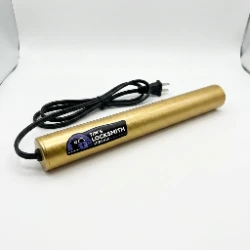
Use a Golden Rod dehumidifier or similar plug-in dehumidifier rod inside the safe. These low-wattage heaters raise the interior temperature a few degrees above ambient, keeping relative humidity low enough to prevent condensation.
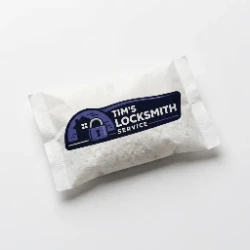
Place silica gel desiccant packets inside the safe and replace them every 3-4 months. Rechargeable silica gel canisters are available that you can dry out in an oven and reuse.
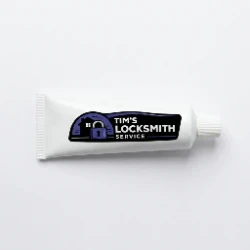
Clean battery contacts with a pencil eraser or fine-grit sandpaper every time you change batteries. Apply a thin coat of dielectric grease to the contacts after cleaning.
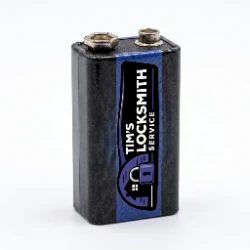
Use lithium batteries instead of alkaline. Lithium batteries tolerate humidity better, last longer in standby, and do not leak corrosive acid when they expire.
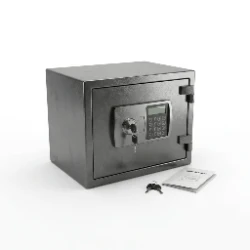
Keep the safe in the most interior room of the house, away from windows and exterior doors where salt air enters.
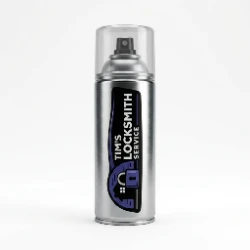
Have the lock serviced annually. A locksmith can clean the dial mechanism, lubricate the bolt work, inspect for early corrosion, and replace battery contacts before they fail.
Safe Opening Pricing
Safe opening pricing in Ventura County depends on the hardware, the door count, and how hard the access is; the table below shows typical ranges.
 Lower Range
SentrySafe fire safes, small electronic safes, key-operated safes, and battery-related lockouts. Non-destructive opening with simple lock bypass or battery replacement.
 Mid Range
Gun safes with electronic locks, mechanical dial safes (Group 2), commercial depository safes, and electronic lockout recovery. May involve manipulation or targeted drilling with lock replacement.
 Higher Range
TL-rated safes, Group 1 mechanical dials, safes with triggered re-lockers, floor safes in concrete, and fire/water-damaged safes. Requires precision drilling, re-locker defeat, and lock replacement.
Call (805) 765-3717 for a free estimate
Why Choose Us
Six reasons Ventura County customers call Tim's for safe opening work: Licensed and Insured, Non-Destructive First, All Brands, All Types, Same-Day Service, Upfront Pricing, and We Fix What We Open.

Licensed and Insured
California BSIS licensed locksmith (LCO#7134) with full liability insurance. Every safe opening is performed by a licensed professional who carries the proper credentials.

Non-Destructive First
We always attempt non-destructive methods before drilling. Manipulation, bypass, key decoding, and electronic recovery techniques let us open many safes without leaving a mark.

All Brands, All Types
Dial, electronic, key-operated, gun safes, floor safes, wall safes, commercial depository, and TL-rated high-security. Every major brand. Every lock type.

Same-Day Service
Locked out of your safe today? We come today. Our mobile van carries the tools, drill bits, borescopes, and replacement locks for same-day resolution across Ventura County.
Upfront Pricing
We assess the safe and give you a price before we start. No surprise fees, no hourly billing that runs up while you watch. The price we quote is the price you pay.
We Fix What We Open
After opening, we repair the safe. Drill holes are plugged, locks are replaced, combinations are reset, and the safe is tested before we leave. You do not end up with an open safe and no working lock.
What Our Customers Say
Here is what a few Ventura County customers said after we handled their safe opening.
"Had a SentrySafe in the closet that I could not open for over a year. Tim came out, had it open in about 20 minutes, and put a new battery in the lock. Works perfectly now. Very fair price."
"Inherited my father's gun safe and had no idea what the combination was. Tim manipulated the dial lock and had it open without drilling. He reset the combination to a number I chose and walked me through how to use it. Very professional and patient."
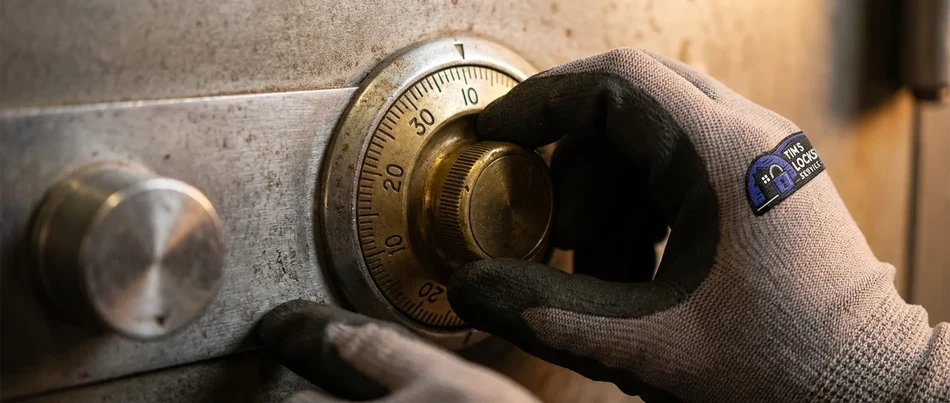
"Our restaurant drop safe locked everyone out after too many wrong code entries. Tim came within an hour, recovered access, deleted the old codes, and programmed new ones for our managers. Saved us from having cash pile up with no way to secure it."
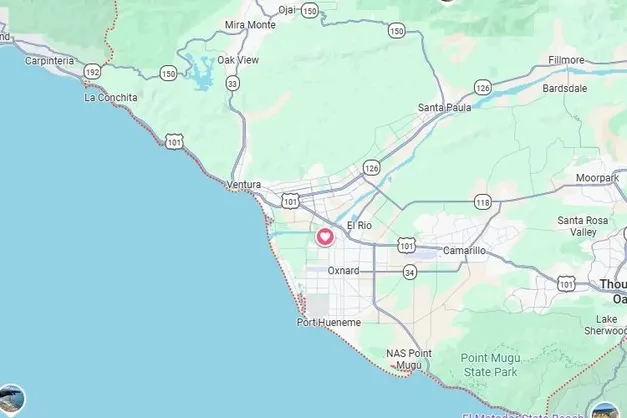
 Serving All of Ventura County
We bring safe opening to every city we cover in Ventura County, from Oxnard to Westlake Village.
Frequently Asked Questions
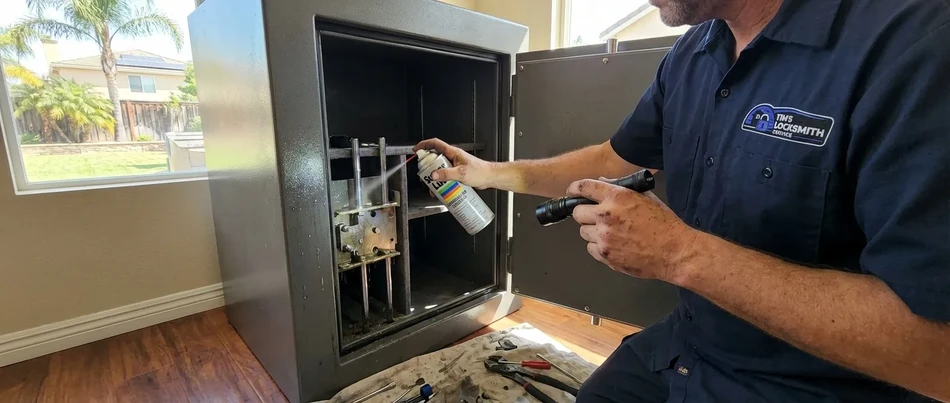
Related Safe Services
If you need more than safe opening, we also handle combination changes, safe lock repair and replacement, and electronic safe programming across Ventura County.
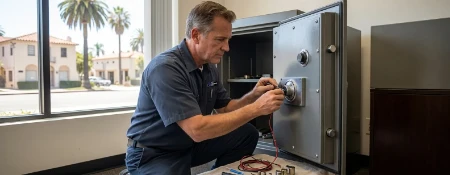
Combination Changes
Changed employees? New owner? We change dial combinations and reset electronic keypad codes on-site. Your old combination stops working immediately and the new one is set to whatever you choose.
View Service
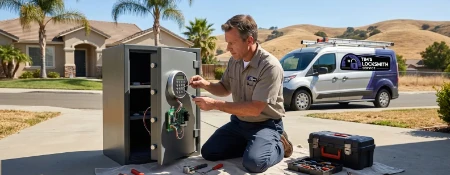
Safe Lock Repair and Replacement
Safe lock not responding? Dial feels loose? Keypad buttons failing? We diagnose and repair safe locks on-site. If the lock is beyond repair, we replace it with a new unit and test everything before we leave.
View Service
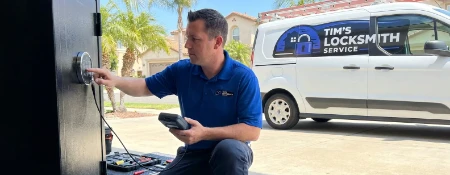
Electronic Safe Programming
We program and reprogram electronic safe locks including audit trail setup, time delay configuration, multiple user codes, and manager override codes. We work with all major electronic safe lock brands.
View Service
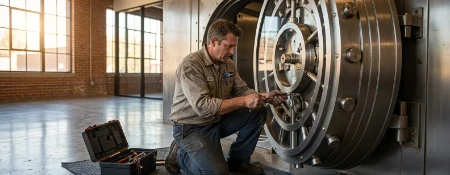
Vault Lock Services
Vault doors, vault rooms, and bank-grade safes serviced on-site. We handle vault lock maintenance, combination changes, lock upgrades, and emergency vault openings for businesses across Ventura County.
View Service
Explore Our Other Services
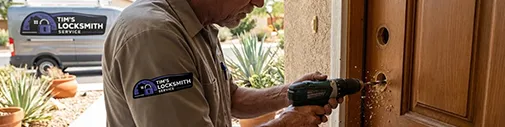
Residential Locksmith
Complete home locksmith services including lock installation, repair, rekeying, and smart lock setup, done at your door.
View Residential Services
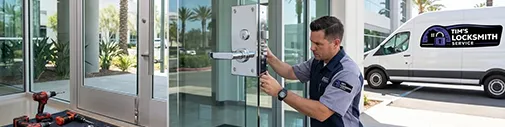
Commercial Locksmith
Business locksmith services including access control, master key systems, high-security locks, and panic hardware.
View Commercial Services
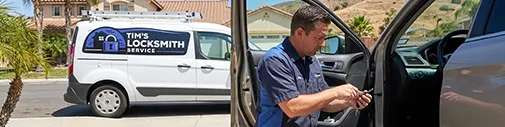
Automotive Locksmith
Car key cutting, programming, fob replacement, and ignition repair for most makes and models. We come to your vehicle.
View Automotive Services
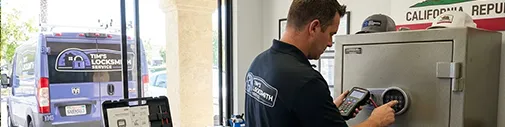
Safe Locksmith
Safe opening, combination changes, lock repair, and electronic safe programming for home and office safes. On-site service.
View Safe Services
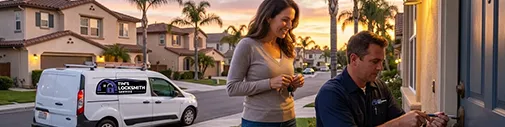
Emergency Locksmith
Fast response for home, car, and business lockouts, break-in repairs, and urgent lock needs. We come to you, usually same day.
View Emergency Services
Need Safe Opening Help?
Locked out of your safe? Call (805) 765-3717 for same-day service. We open all safe types and brands, always starting with non-destructive methods. Upfront pricing, no surprises.
 Open Daily
 Mobile service across Ventura County